

NEW YORK → BELLINGHAM · RELOCATION GUIDE
From New York to Bellingham.
The honest math.
A paid-off house plus cash in the bank, no city or state income tax, and mountains 15 minutes away — from a broker who’s run this move.
The New York-to-Bellingham conversation is one I have almost every week now, and it carries a particular kind of exhaustion in it. New Yorkers aren’t calling me because they hate New York — most of them love it and feel a little guilty about leaving. They’re calling because they did the arithmetic on what they actually own versus what they actually pay, and the numbers stopped making sense. A $1.6M one-bedroom with $1,800/month in maintenance. A combined city-plus-state income tax that tops out near 14.8% — the highest in the country. A sales tax of 8.875%. And less square footage than my clients’ Bellingham garages. I’m Genaro Shaffer, a licensed broker here — 11+ years, 67+ closings. Here’s the full, unvarnished picture for buyers coming from Manhattan, Brooklyn, Queens, the outer boroughs, the suburbs, or upstate.
The equity reset, in actual numbers — what your New York money becomes

Let’s start where it matters most, because for a New York buyer the financial gap isn’t subtle — it’s the whole story. The two things that move New Yorkers are space and tax, and Bellingham resets both at once.
What New York homes are selling for right now (Q2 2026):
| New York area | Median sale price (2026) | Net to seller (after ~6% costs) |
|---|---|---|
| Manhattan (all homes) | ~$1,295,000 | ~$1,217,000 |
| Manhattan condo (median) | ~$1,600,000 | ~$1,504,000 |
| Brooklyn (all homes) | ~$882,000 | ~$829,000 |
| Queens | ~$680,000–$720,000 | ~$640,000–$677,000 |
| Westchester / Long Island SFR | ~$650,000–$750,000 | ~$611,000–$705,000 |
Sources: PropertyShark / Manhattan Miami / Redfin 2026 borough data. Net assumes ~6% transaction costs; NYC sellers often pay more once you add the city + state transfer taxes and attorney fees.
Bellingham’s median single-family home is approximately $630,000–$650,000 (Redfin reported $630K for the three months ending May 2026; Whatcom County overall sits near $609K). I’ll use $650,000 as the working figure, with WA closing costs around 1.5% (~$10K).
The worked equity example:
This is where the New York move stops being theoretical. A Manhattan owner who sells a condo for $1.6M nets roughly $1.5M after costs. They buy a genuinely excellent Bellingham house at $750,000 — four bedrooms, a real yard, a water or mountain view in the right neighborhood — pay all cash, and walk away with roughly $750,000 in the bank and no mortgage. That is not a typo. The thing you were living in as a one-bedroom in Murray Hill becomes a paid-off house plus three-quarters of a million dollars in liquid cash.
A Brooklyn owner who nets $829K can buy a $550,000–$650,000 Bellingham home with a large down payment (or all cash on the lower end) and still keep $150,000–$280,000. A Queens or Westchester seller netting ~$650K can buy a comparable or nicer Bellingham home at parity and keep their monthly costs roughly flat — except now there’s no co-op board, no city income tax, and the property is bigger.
Even renters benefit from the flip. If you’ve been paying $4,200/month for a Manhattan two-bedroom (and that’s a normal number now), a 20%-down mortgage on a $650K Bellingham home runs in a similar monthly range — except you’re building equity in a house you own instead of enriching a landlord.
The comparison table:
| New York (NYC / metro) | Bellingham WA | What changes | |
|---|---|---|---|
| Median home price | $880K–$1.6M (NYC) | ~$650K | ↓↓ dramatically lower, and you get a house |
| Property tax (effective) | ~1.3% statewide; 1.5%–1.9% in Westchester/LI | ~0.74%–0.81% | ↓ meaningful savings |
| State income tax (top) | 10.9% | 0% | ↓↓ eliminated entirely |
| NYC city income tax (top) | 3.876% (on top of state) | 0% | ↓↓ eliminated entirely |
| Combined top income tax | up to 14.776% | 0% | ↓↓ the single biggest swing |
| Sales tax | 8.875% (NYC) | ~8.8% | About the same |
| Co-op/condo maintenance | $1,500–$3,500+/mo | $0 (or modest HOA) | ↓↓ gone for a single-family home |
| Cost-of-living index | ~148–179% of national | ~near national avg | ↓↓ far lower |
| Annual snowfall | ~25″ | ~8″–12″ | ↓ less, and rarely paralyzing |
| Summer high (July avg) | ~84°F, very humid | ~72°F, dry | ↓ cooler, no swamp humidity |
| Winter low (January avg) | ~26°F, cold + wind | ~35°F, mild + gray | ↑ milder, less brutal cold |
The income-tax math, made concrete:
A household earning $250,000 in New York City pays New York State income tax and NYC resident income tax on top of it — the combined marginal rate climbs into the 10%–11% range on the upper portion of that income, and tops out near 14.8% for high earners. Washington has no state income tax and no local income tax of any kind. For a $250K earner, the realistic annual swing is $15,000–$22,000 you simply stop paying the day you establish WA residency. Over a decade that’s $150K–$220K — before you even count the property-tax savings or the equity you unlocked. That is the number that ends most of my New York calls with “okay, send me listings.”
Cost of living, line by line
New Yorkers expect everywhere else to be cheaper, and for once that instinct is exactly right. New York City’s cost-of-living index runs somewhere between 48% and 79% above the national average depending on whose basket you use; Bellingham sits close to the national line. Here’s the honest breakdown of what actually changes.
What gets cheaper:
Housing and carrying costs — covered above, but it’s the headline. Beyond the purchase price, you delete co-op maintenance or condo common charges entirely when you buy a single-family home. A Manhattan co-op bundling $2,000–$3,000/month in maintenance is a $24,000–$36,000 annual line item that simply disappears.
Income tax — the city + state income tax is gone. This is the cost most New Yorkers underweight because it’s withheld and invisible, but it’s frequently the largest single saving in the whole move.
Groceries — New Yorkers pay roughly 16%–36% above the national average for food depending on the borough and the source. Bellingham is near national average, with strong local produce, the farmers market, and Costco 10 minutes away. Expect to notice this every week.
Childcare and services — haircuts, dry cleaning, dentists, gym memberships, restaurants — the whole services economy is priced for Bellingham wages, not Manhattan rents. The difference is real and constant.
What gets more expensive or stays the same:
Gas — Washington’s gas taxes push pump prices to roughly $4.00–$4.30/gallon, often higher than New York. But here’s the catch most New Yorkers miss: you’ll likely own and drive a car in Bellingham, where many of you didn’t in the city. Budget for that.
Car ownership generally — if you’ve been carless in Manhattan or Brooklyn, you’re adding a car (or two), insurance, gas, and maintenance. This is a genuine new cost. It’s offset many times over by the housing and tax savings, but it’s real and it surprises people.
Sales tax — essentially a wash. NYC is 8.875%; Bellingham is about 8.8%. No meaningful change.
Real estate excise tax (REET) — Washington sellers pay a graduated REET (1.1%–3.0%) when they eventually sell. New York has its own transfer taxes, so this isn’t new — just structured differently. It matters at exit, not entry.
The climate — the honest part

This is the section where I lose some New Yorkers, and I’d rather lose you here than after you’ve moved. New York and Bellingham both get plenty of precipitation — New York City averages around 50 inches a year, Bellingham around 36 inches. But the pattern is completely different, and that’s what you’ll feel.
New York’s climate is humid subtropical: hot, sticky summers and cold, sharp winters. July highs average around 84°F, but the humidity is the real story — an 88°F August day in the city with the subway heat and the concrete radiating back at you is genuinely oppressive. Winters swing the other way: January averages near freezing, with cold snaps into the teens, biting wind off the rivers, gray slush, and the occasional 12–18 inch storm that snarls everything. New York gets about 234 sunny days a year and roughly 25 inches of snow.
Bellingham summers are the payoff and they are spectacular. July and August highs run 72°F–75°F with low humidity. Locals start complaining at 85°F. No swamp air, no oppressive nights — you sleep with the windows open. People hike, sail, paddle, and cycle on weekday evenings because it’s simply comfortable to be outside. After a decade of New York summers, the first Bellingham July feels like the climate is apologizing to you.
The honest Bellingham winter: here’s the part that’s harder than New York. From November through February, Bellingham is gray. We average something like 230 cloudy or overcast days a year — far more than New York’s 234 sunny days would suggest for us. The rain is light and persistent rather than dramatic, spread across nine or ten months. New York winters are colder and snowier, but they’re also brighter — you get crisp blue-sky cold days. Bellingham trades the cold for cloud. Temperatures rarely drop below 28°F, ice on city streets is uncommon, and snow that shuts the city down is an event, not a season. But the lack of sun is real, and New Yorkers used to bright winter light feel it. Seasonal affective disorder is genuinely common here; a vitamin D regimen and a full-spectrum lamp are standard PNW equipment, not a punchline.
My honest recommendation: come visit in November or February before you list anything. Bellingham’s summer sells itself; you don’t need convincing in July. The question is whether you can spend a gray, drizzly week in January walking around Fairhaven, eating well, and still picture your life here. Some of my New York buyers do exactly that and come back saying it felt like exhaling. Others go quiet on the drive back to Sea-Tac. Find out which one you are before the moving truck is booked.
Why people leave New York
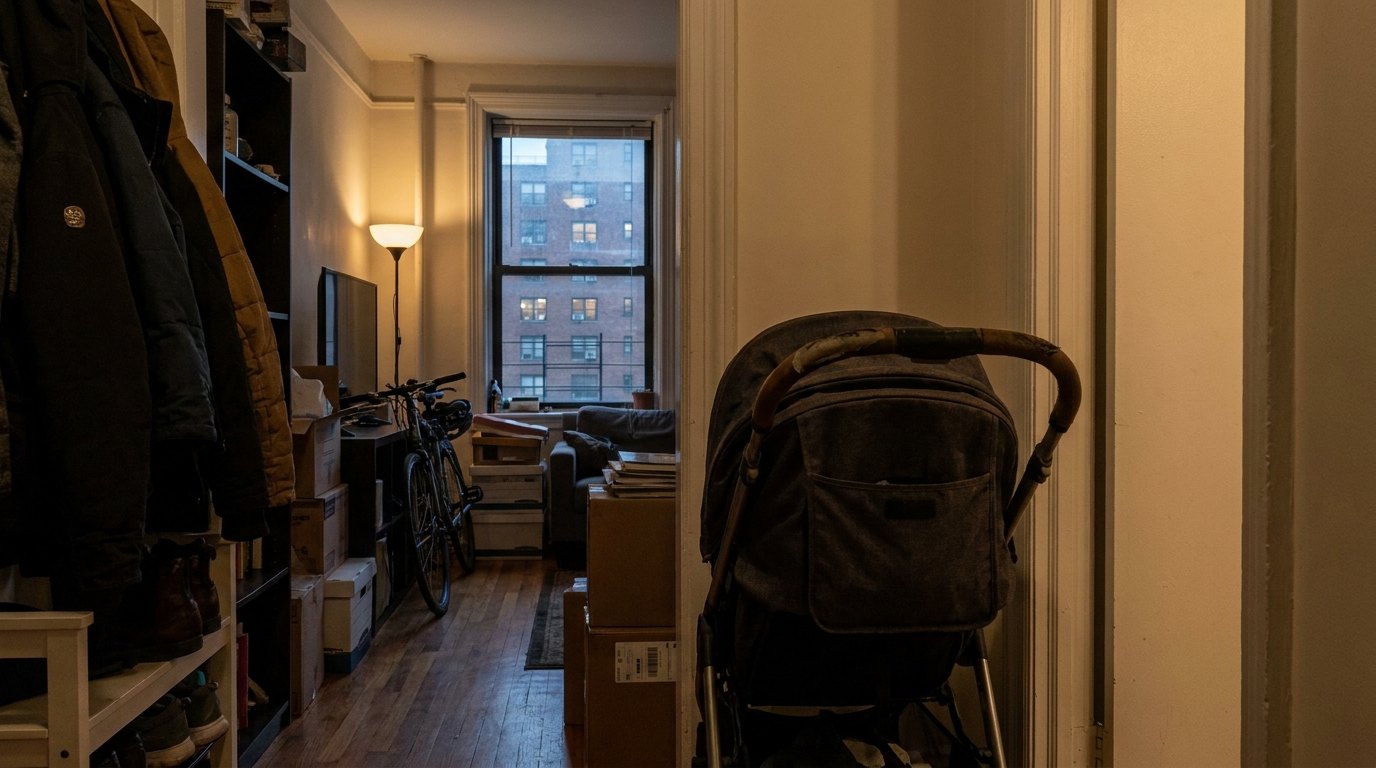
The New York push factors are specific and I hear the same ones over and over. I’m not here to run down the greatest city in the country — most of my New York clients are proud of having lived there and a little wistful about leaving. But something is moving them, and it’s concrete.
Cost, full stop. New York is, by several measures, the most expensive place to live in the United States — and on some global indices, the world. Rent or mortgage, maintenance, taxes, groceries, childcare, parking — every line item is inflated. People hit a point, often after a kid or a job change, where they realize they’re earning a strong income and still feel financially squeezed, with little to show for it in equity. That realization is usually the trigger.
Space and density. This is the visceral one. A family of four in a 900-square-foot two-bedroom, paying $1.6M for it, with a stroller in the hallway and no outdoor space of their own — that’s a normal New York life, and at some point it stops feeling charming. The fantasy isn’t a mansion; it’s a yard, a second bathroom, a room for each kid, and a front door that’s actually a front door. Bellingham delivers that for a fraction of the cost.
Taxes. The combined city-and-state income tax — up to 14.776% — is the highest in the nation, and unlike property tax it follows your income everywhere you earn it. For a high earner or a remote worker who could work from anywhere, paying NYC + NYS income tax to sit in a small apartment starts to feel like a choice rather than a fact of life. Washington’s 0% is a powerful counter-argument.
The grind and the pace. New York’s intensity is a feature until it isn’t. The noise, the crowding, the constant low-grade competition, the 45-minute commute crammed into a subway car — a lot of my buyers describe wanting to decelerate without becoming irrelevant. They want nature 15 minutes away instead of a 3-hour drive to anything green. They want quiet. Bellingham is a 100,000-person city with real amenities and a trailhead at the edge of town; for the right person it’s exactly that exhale.
Commute reality — can you still work?
Almost every New York-to-Bellingham buyer I work with is remote, hybrid, or restructuring their work life as part of the move. That’s the dominant pattern and it works. Here’s the logistics.
Remote work from Bellingham: Eastern time is 3 hours ahead of Pacific. If you’re keeping East Coast hours and clients, a 9–5 EST day is a 6 AM–2 PM Bellingham day — early, but it leaves your entire afternoon and evening free, which a lot of people grow to love. If you’re on a flexible schedule, the 3-hour gap is mostly an asset: you finish the New York workday by early afternoon and the mountains are right there.
Flying back to New York: New York City to Bellingham (BLI) is about 2,400 miles. There’s no nonstop from Bellingham to New York, so the route is BLI → SEA → JFK/LGA/EWR, with total travel time around 7–9 hours door to gate. The practical airport for New York trips is Seattle-Tacoma (SEA), about 90 miles south of Bellingham (roughly 1.5–2 hours down I-5 depending on traffic). From SEA there are frequent nonstops to JFK on Alaska, Delta, and JetBlue — JFK–SEA is about a 6.5-hour flight with 8 flights a day. If you fly back to the city monthly for face time, the SEA routing is very manageable.
Bellingham International (BLI): a small, pleasant regional airport — easy parking, no lines — with Allegiant and limited Alaska service to a handful of West Coast and Sun Belt destinations. Great for cheap direct hops to Las Vegas or Phoenix; not your New York airport. That’s SEA.
Driving to Seattle or Vancouver: Bellingham is 88 miles north of Seattle and just 21 miles south of the Canadian border — Vancouver, BC is about 50 miles north (under an hour border-crossing aside). Both cities widen your hybrid job market considerably: Amazon, Microsoft, Boeing, Costco, and a deep startup scene are all in the Seattle orbit.
For the non-remote buyer: Bellingham’s local economy is anchored by healthcare (PeaceHealth is the largest employer), Western Washington University, retail, and maritime/trades. It does not have New York’s financial, media, legal, or advertising density. If you need to land a local W-2 job in those fields, that’s a real constraint and the salaries are lower. The cost-of-living drop offsets a lot of it, but be honest with yourself about it before you move.
Buying a home here without flying up six times
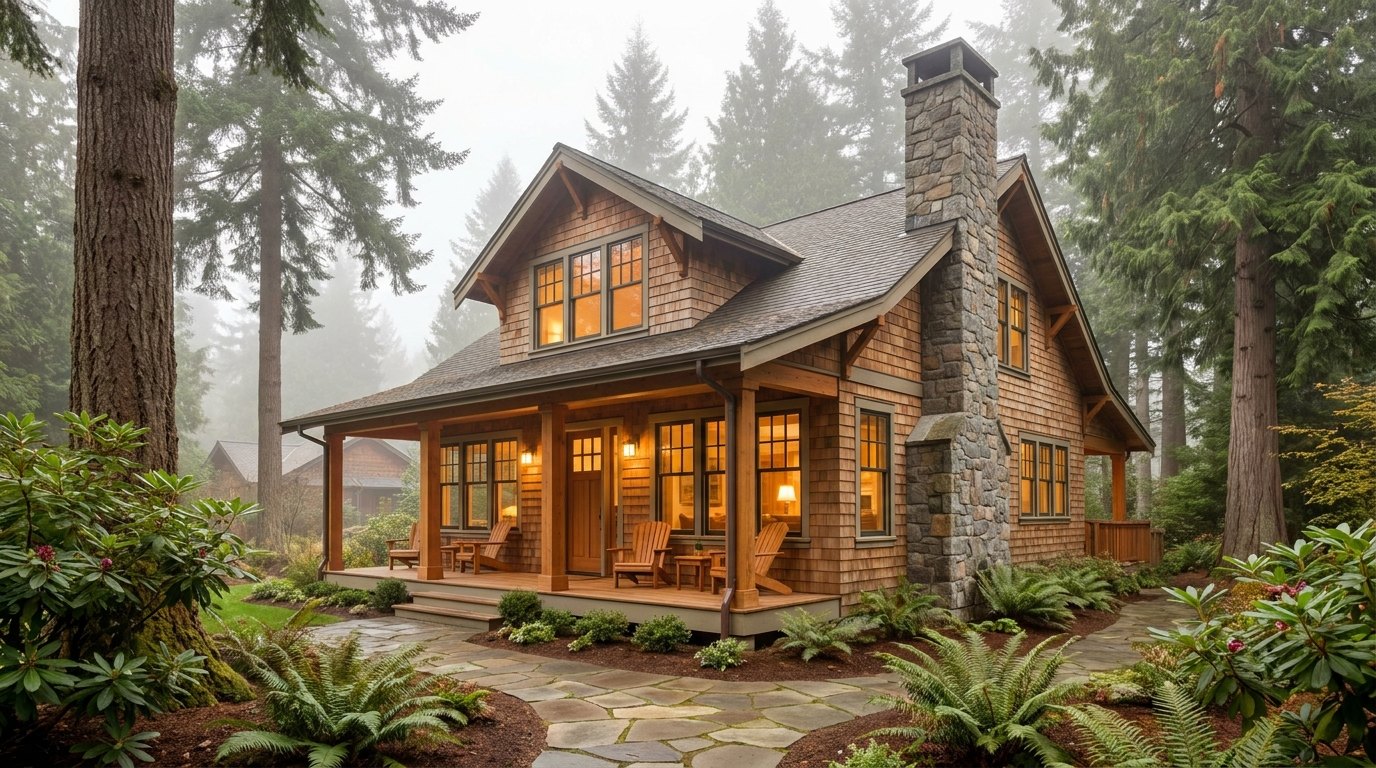
A large share of my New York buyers close on a home they’ve seen once in person — and a few close having never set foot in it. From 2,400 miles away, the process is more orderly than it sounds.
The remote-buyer workflow I use:
We start with a 30-minute video call — your situation, timeline, budget, must-haves and deal-breakers. Then I set up NWMLS listing alerts filtered to your exact criteria, and you get daily email digests of new listings and price drops. When something looks promising, I do a FaceTime or Zoom walkthrough: every room, every closet, into the attic and down to the crawlspace, narrating the real condition honestly — including the things the listing photos are hiding. If you’re serious, I send my own read on the street, the lot, the light, the neighbors, and what I’d think twice about.
When you’re ready to see your short list in person, the typical New York buyer flies in for a focused 1–2 day trip: in Friday, see 6–8 homes Friday and Saturday, fly home Sunday. That’s enough to make a confident decision.
Washington purchase mechanics:
Earnest money in Washington usually runs 1%–3% of the purchase price — on a $650K home, $6,500–$19,500, held by the title/escrow company (I work with Chicago Title here in Bellingham). The inspection contingency is standard and it has teeth: if the inspection turns up problems you don’t accept, you get your earnest money back. The inspection period is typically 10 business days. Coming from New York’s attorney-driven, board-approval, mortgage-contingency-heavy closing culture, you’ll find Washington’s process noticeably faster and lighter — no co-op board interview, no flip tax, no months-long approval.
Closing remotely is routine. DocuSign handles most of it, and a mobile notary can come to you anywhere in New York for the final signature. Title transfers, keys are released, the truck shows up.
Coordinating the New York sale:
Most buyers want to sell or contract their New York place before, or simultaneously with, the Bellingham purchase — especially given how much equity is in play. If timing is tight, a bridge loan or HELOC against the New York equity can fund the Bellingham purchase while the New York sale closes. I can connect you with Bellingham-area lenders who run this play regularly and understand WA purchase contracts.
Schools — the comparison families ask about
New York families compare schools carefully, whether they’re leaving a competitive Manhattan private, a coveted Brooklyn district, or a well-funded Westchester suburb. The Bellingham comparison is different in scale and culture more than in quality.
Bellingham Public Schools serves the city — about 11,000 students — and is well-regarded, with an emphasis on outdoor education, project-based learning, and smaller class sizes than most New York-area suburban districts. AP and IB programs run at Bellingham and Squalicum High Schools. The culture is less test-driven and more inquiry- and arts-oriented than the New York norm, which most transplant families experience as a relief from the admissions-and-testing pressure cooker.
Smaller Whatcom County districts offer different flavors. Ferndale is strong and growing; Lynden has a small-town, traditional, agricultural character (Dutch heritage) that appeals to families wanting something quieter and more conservative; Mount Baker serves the rural foothills near the ski area.
Western Washington University is a genuine asset for families with college-bound kids — strong liberal arts, sciences, and environmental programs, and right in town. After 12 months of WA residency your kids qualify for in-state tuition and the Washington College Grant. For a New York family weighing private-college sticker prices, the in-state WWU math is a pleasant surprise.
Five Bellingham neighborhoods New York buyers tend to land in
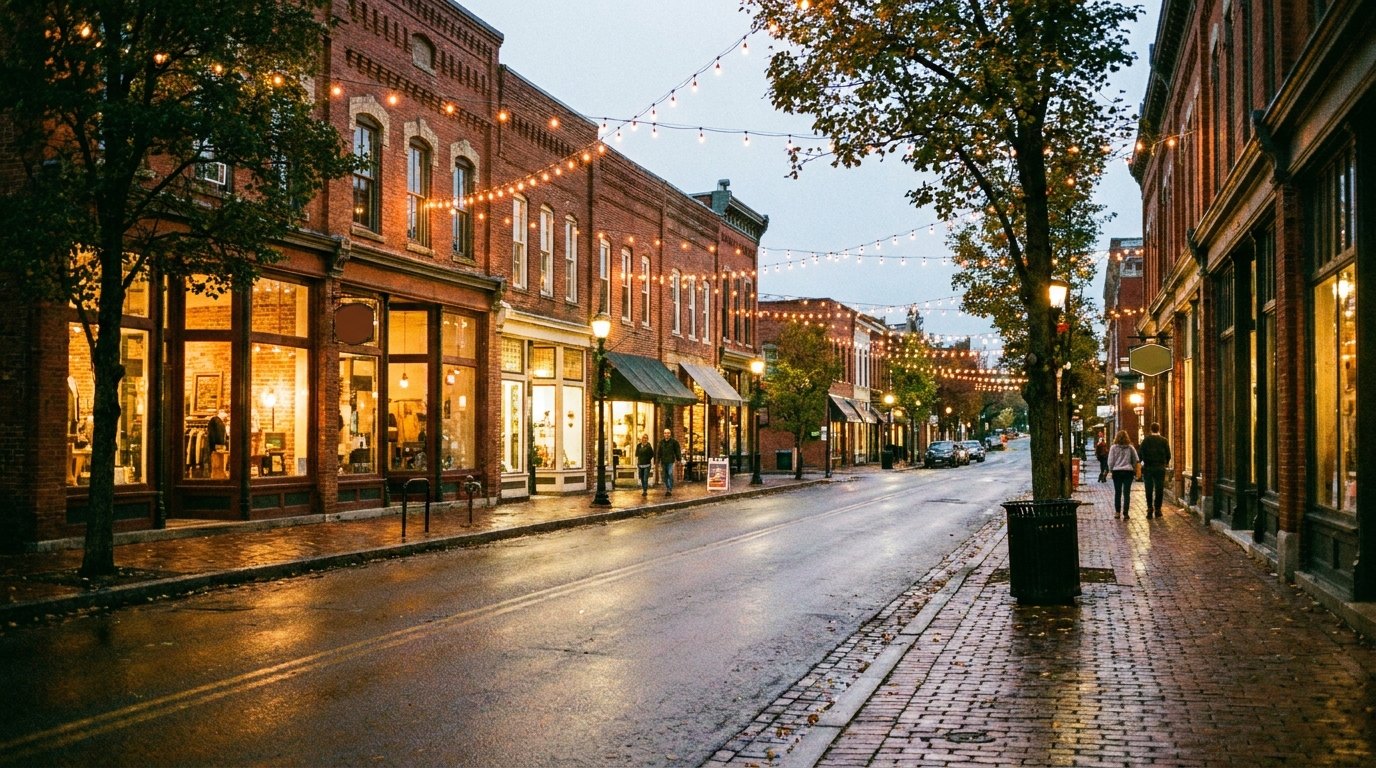
New Yorkers I’ve placed cluster around a few clear preferences. After years of dense apartment living, most want space and a yard — but the walkability instinct dies hard, so the ones who loved their Brooklyn block tend to want a real neighborhood they can stroll, not just a subdivision.
Fairhaven. The historic village at Bellingham’s south end — Victorian brick buildings, an independent bookstore, coffee shops, a wine bar, restaurants, and the ferry terminal to the San Juans, all walkable. This is where Brooklyn and Manhattan transplants feel instantly at home: it has the texture and walk-out-your-door density New Yorkers miss, in a far smaller, calmer package. Character homes run $700K–$1.1M+. Links to /neighborhoods/fairhaven/.
Edgemoor. Northwest Bellingham — established mid-century homes, big lots, mature trees, quiet streets above Bellingham Bay, with water views in spots. This is the “I want the space I could never have in the city” pick: privacy, a real yard, and bay light. $700K–$1.1M+. The New York money that bought a cramped condo buys a gracious house here. Links to /neighborhoods/edgemoor/.
South Hill. Just south of downtown, between the city center and Fairhaven — a mix of price points and home styles, close to Whatcom Falls Park, walkable to downtown, with some of the city’s best older homes. A strong fit for New Yorkers who want walkability and character without the full Fairhaven premium. $550K–$850K. Links to /neighborhoods/south-hill/.
Sehome. Near the WWU campus — a blend of walkable, bike-friendly streets and residential calm, close to downtown and the university. Younger professionals and families who want to bike everywhere (very New York-without-the-subway) land here. $580K–$750K. Links to /neighborhoods/sehome/.
Barkley. Northeast Bellingham — newer and more suburban, with the Barkley Village center (shops, groceries, a movie theater, restaurants) walkable from many homes. The pick for Westchester and Long Island families who want good schools, a quiet street, an attached garage, and amenities five minutes away. $550K–$750K. Links to /neighborhoods/barkley/.
If you’re dreaming of real acreage, Bellingham proper won’t deliver it — but the county will. Homes around Ferndale, Lynden, and Birch Bay offer larger lots and rural quiet within 20–30 minutes of Bellingham. For a New Yorker who’s fantasized about land, that’s a real and affordable option.
The lifestyle shift — what changes
The first thing New Yorkers notice is the silence. Bellingham is quiet in a way that takes adjustment — no sirens all night, no upstairs neighbor, no constant background hum of eight million people. Some transplants find it eerie for a week and then find they can’t sleep in a city anymore.
The second thing is that you’ll probably drive. New York’s great gift is that you don’t need a car; Bellingham’s reality is that you mostly do. But “traffic” here means a 12-minute crosstown trip might take 18 on a bad day. There is no commute in the New York sense. The 45-minute subway ride to work is replaced by a 10-minute drive or a genuine bike commute.
The outdoor access is the trade that closes the deal for most people. You’re 15 minutes from a trailhead at Galbraith Mountain or Chuckanut, 20 minutes from the bay for paddling or sailing, 25 minutes from Lake Whatcom, and 90 minutes from skiing at Mt. Baker. In New York, “getting to nature” is a planned weekend expedition with traffic on the way out of the city. Here it’s a Tuesday after work.
The social texture is different, and New Yorkers should brace for it. New York is anonymous but fast to connect — you make friends through proximity and shared intensity. The Pacific Northwest runs cooler on first contact; people are polite but reserved (the “Seattle Freeze,” milder in Bellingham). It opens up around six months in, through neighbors, a league, a regular coffee shop — but the first weeks can feel quiet if you’re used to the city’s constant social friction. Food culture, too, resets: you trade the best and most varied restaurant scene on earth for serious coffee, excellent seafood and oysters, strong craft beer (Kulshan, Boundary Bay, Aslan), and farm-to-table cooking. It’s not New York. Let it be its own, slower thing.
Frequently asked
Is the New York to Bellingham move tax-positive after carrying costs?
For almost everyone, dramatically so. You eliminate New York State income tax (up to 10.9%) *and* NYC city income tax (up to 3.876%) entirely — Washington has neither. For a $250K household that’s typically $15,000–$22,000 a year that simply stops leaving your account, and the savings scale up with income. Add the property-tax drop (roughly 1.3%–1.9% in the New York area versus ~0.75%–0.81% in Whatcom) and the deletion of co-op or condo maintenance, and the carrying-cost math favors Bellingham by a wide margin from year one. The only new recurring cost most buyers add is a car.
What’s the real winter like compared to New York?
Milder in temperature but grayer in mood. Bellingham rarely drops below 28°F and almost never gets a paralyzing snowstorm, so you lose New York’s bitter cold, ice, wind chill, and slush. What you gain instead is cloud: roughly 230 overcast days a year, with light persistent rain rather than dramatic storms. New York winters are colder but brighter — you get crisp sunny cold days. Bellingham trades the cold for gloom. The adjustment is psychological, not physical; a vitamin D supplement and a light-therapy lamp handle most of it. Visit in January before you decide.
Can I really buy a Bellingham home without moving here first?
Yes — a large share of my New York buyers do exactly that. The process is video walkthroughs on every serious candidate, a focused 1–2 day scouting trip to see your finalists in person, and all signatures via DocuSign with a mobile notary who comes to you in New York. I’ve closed buyers who flew up once, saw six or seven homes, made an offer, and had keys 30 days later. After New York’s co-op boards and attorney closings, you’ll find Washington’s process faster and far less bureaucratic.
My New York equity sounds too good to be true — is the math real?
It’s real, and it’s the most common reaction I get. A Manhattan condo that sells for $1.6M nets around $1.5M; an excellent Bellingham house runs $650K–$750K. Buy it outright and you’re sitting on roughly $750,000 in cash with no mortgage, in a home two or three times the size of what you left. A Brooklyn seller netting $829K can buy comfortably and keep $150K–$280K. The space-and-cash swing is the single biggest reason New Yorkers make this move, and the numbers hold up.
Does Bellingham feel like a real city, or is it a small town?
It’s a small city — about 100,000 people — with genuine city amenities: a walkable downtown and Fairhaven, a good food and coffee scene, live music, a symphony, breweries, a working waterfront, and Western Washington University adding youthful energy. It is emphatically not New York, and you should not expect it to be — the restaurant variety, the nightlife, the cultural density, and the sheer scale are in a different universe. But it’s not a sleepy town either. For most transplants it lands as “enough city to feel alive, small enough to actually know.”
What’s the catch?
Three honest ones. First, the gray: November through March is genuinely overcast, and New Yorkers used to bright winter light feel it. Second, the local job market is small and salaries are lower — if you need a finance, media, legal, or tech W-2 job locally and can’t bring your work with you, that’s a real constraint. Third, you trade the world’s best restaurant and culture scene for a much smaller one, and you’ll probably need a car for the first time in years. None of these are dealbreakers if you’re remote, retiring, or raising a family — and in exchange you get space, no income tax, a summer climate that’s close to perfect, and mountains 15 minutes from your door.
How much does the move itself cost?
Full-service interstate movers from the New York metro to Bellingham generally run $9,000–$22,000+ depending on load size and whether you’re coming from a walk-up (stairs and street parking add cost). New York City to Bellingham is about 2,400 miles by air and roughly 2,900 by road. Container moves (PODS, U-Pack) run $5,000–$10,000 with 2–4 weeks transit. Most New York buyers don’t own a car to ship; if you do, transport runs $1,100–$1,800. Build in extra for the coordinated New York sale and any bridge financing.
Thinking about Bellingham?
Tell me where in New York you’re coming from, your budget, and how you work, and I’ll send two or three neighborhoods that fit plus what’s active. If you have a place to sell first, a home valuation is the place to start.