Bellingham · a short history
How a tide flat became a city
Two centuries of turning points made this place — from the people who have always been here, to the waterfront it is reclaiming right now. Scroll the timeline to move through them.
Since time immemorial
First peoples
The People of the Sea
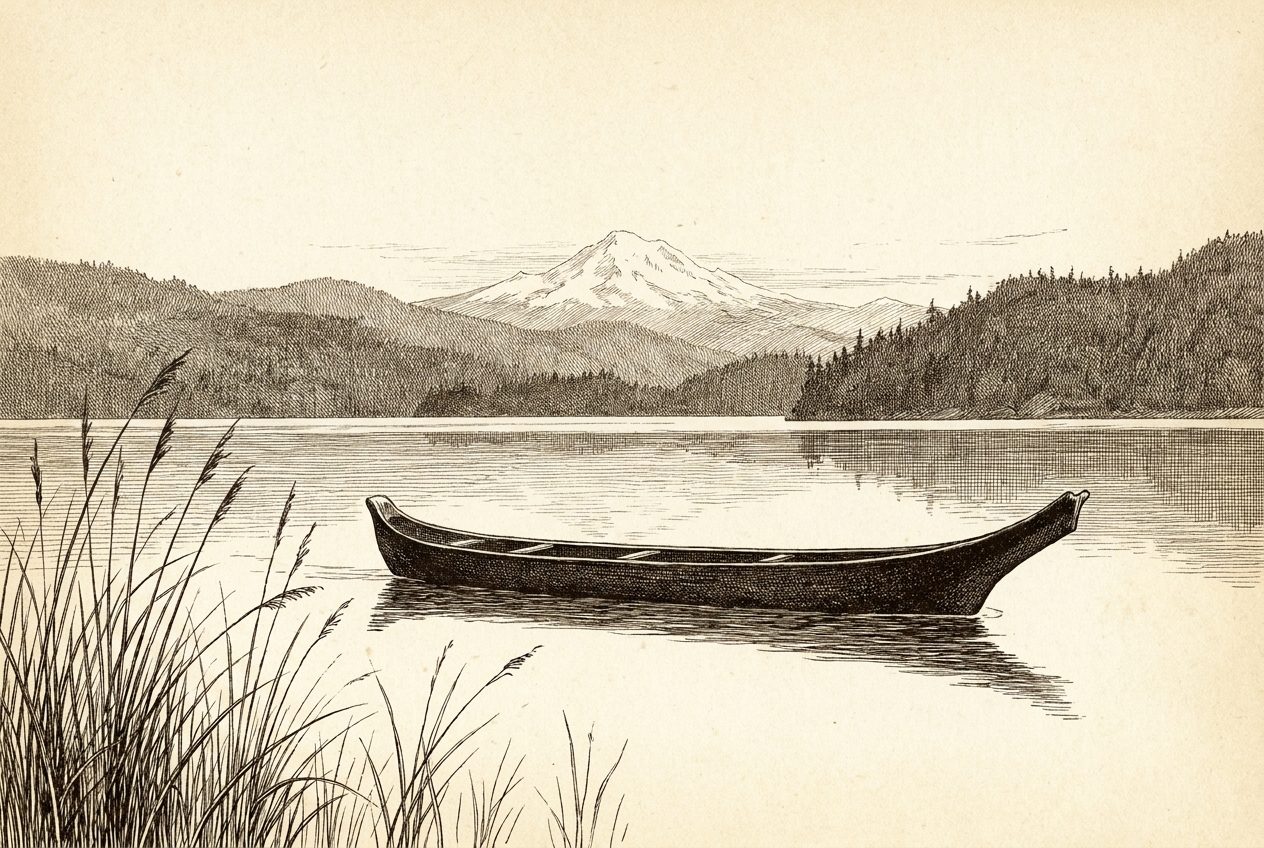
The Lummi (Lhaq’temish) and Nooksack peoples have lived along this bay and the Nooksack River for thousands of years — fishing the reefnet grounds and crossing the inland sea by cedar canoe.
More at Bellingham.orgTime out of mind
A story of the mountain
Kulshan and his two wives
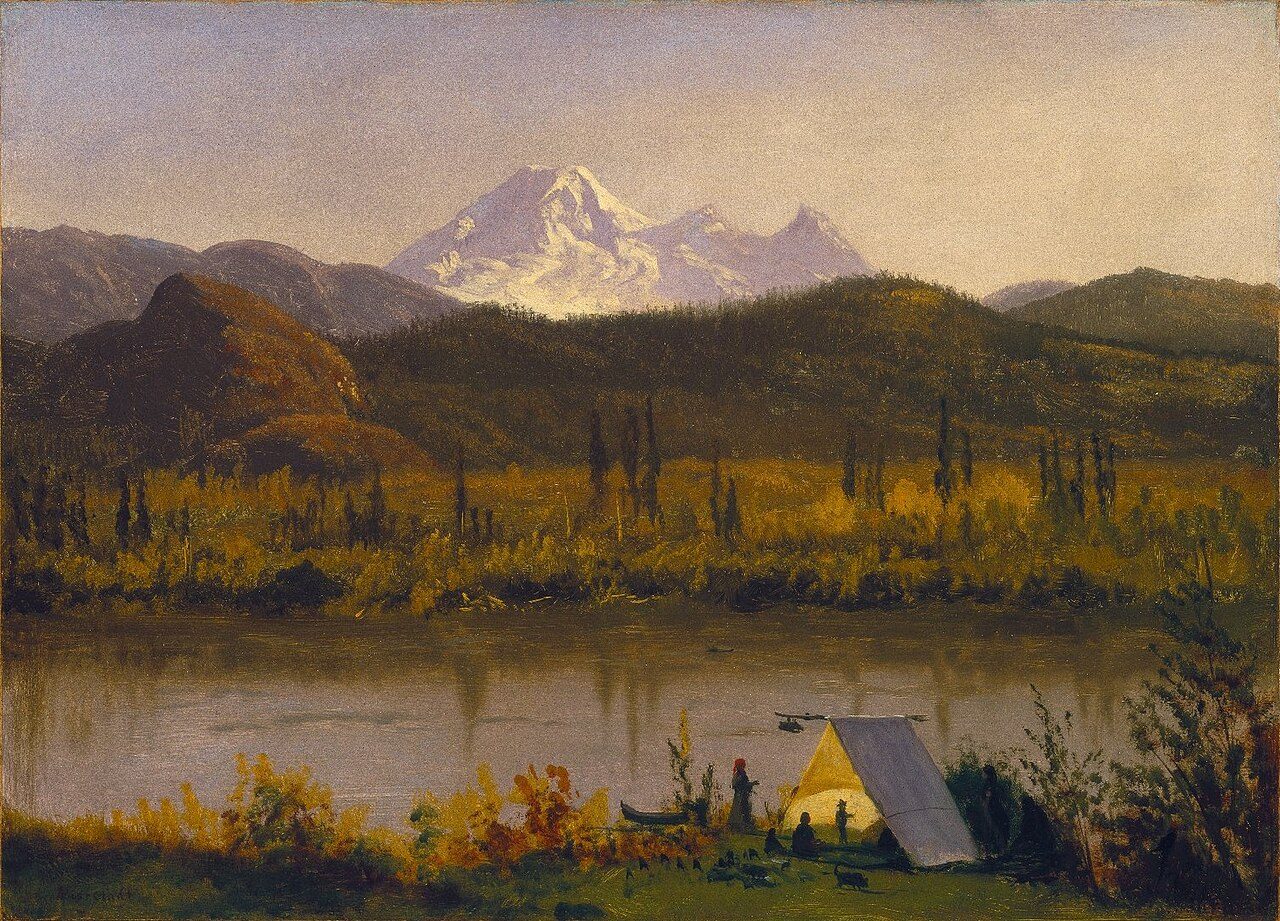
To the Coast Salish peoples here, including the Lummi and Nooksack, Mount Baker is Kulshan — the white, shining mountain. In a Lummi story, Kulshan kept two wives; when one, Duh-hwahk, grew jealous and threatened to leave, he would not call her back, and heartbroken she journeyed far to the south, looking back and rising taller to keep him in sight — becoming the peak we now call Rainier. Retold here with respect from published Lummi tradition.
More at Wikipedia1792
First contact
The bay gets a name
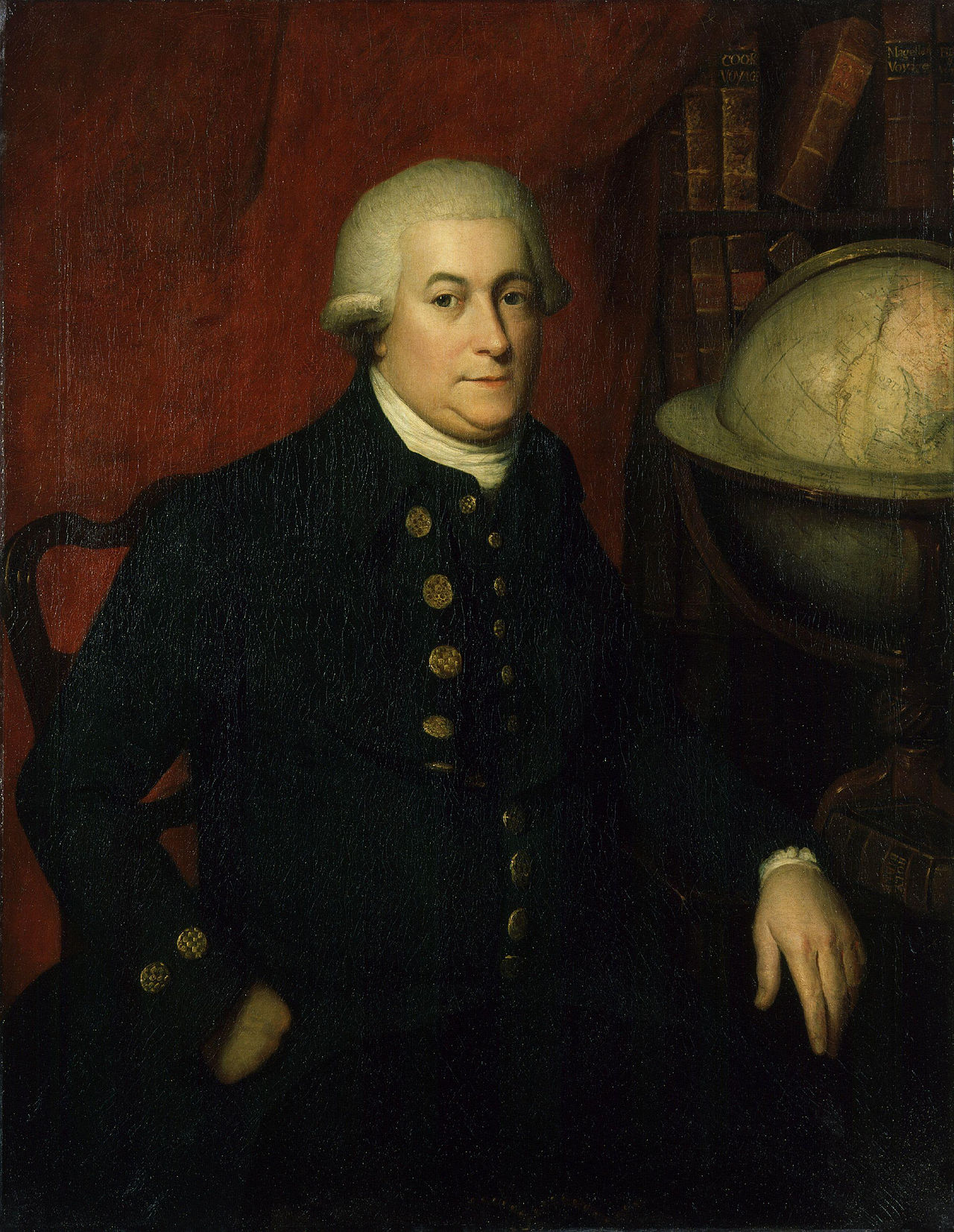
The British navigator George Vancouver charts these waters and names them Bellingham Bay, for Sir William Bellingham of the Royal Navy — a name the city itself will not take for another century.
More at Wikipedia1852
Settlement
The first mill
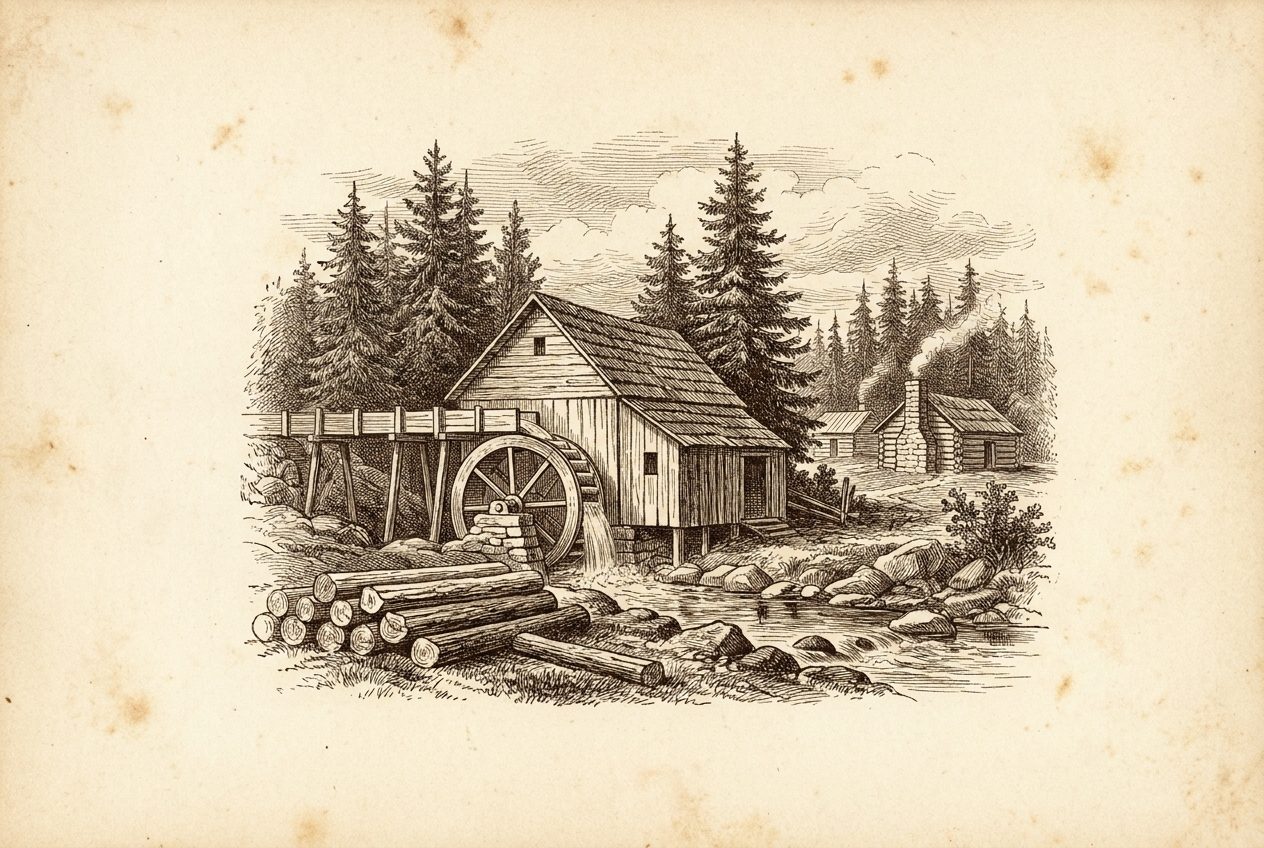
Henry Roeder and Russell Peabody raise a lumber mill at the mouth of Whatcom Creek. The little settlement around it, Whatcom, is the seed every later town grows from.
The waterfront this mill began1853
Settlement
Coal under Sehome
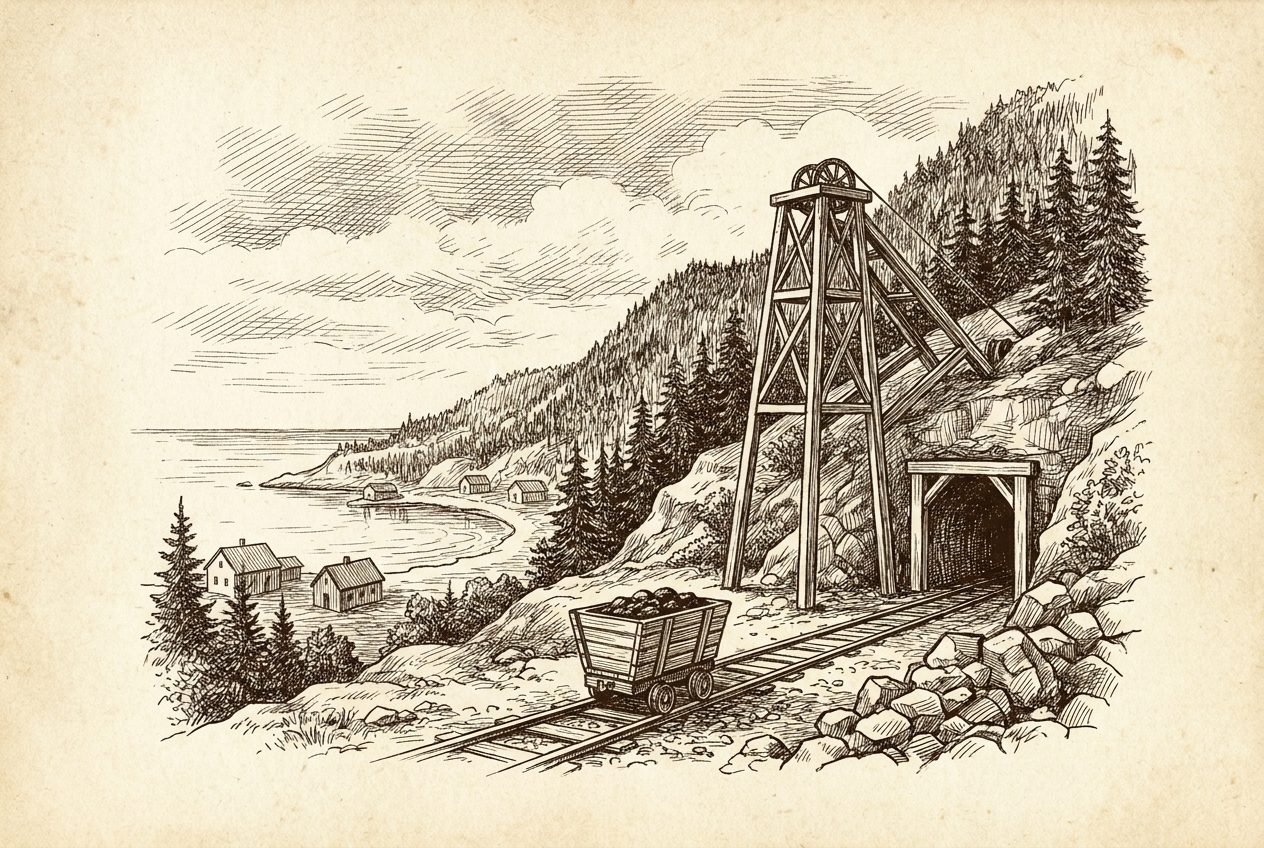
Coal is found just south of Whatcom, and the mining town of Sehome rises above the diggings. Over the next three decades, four rival towns will crowd this single bay — each certain it is the future city.
The coal beneath Bellingham1855
The treaty
The Treaty of Point Elliott
On January 22, tribal leaders sign the Treaty of Point Elliott, ceding vast lands while reserving the right to fish and hunt. The Lummi Reservation is established; the Nooksack are left without one of their own.
More at HistoryLink1856
The fort
Fort Bellingham
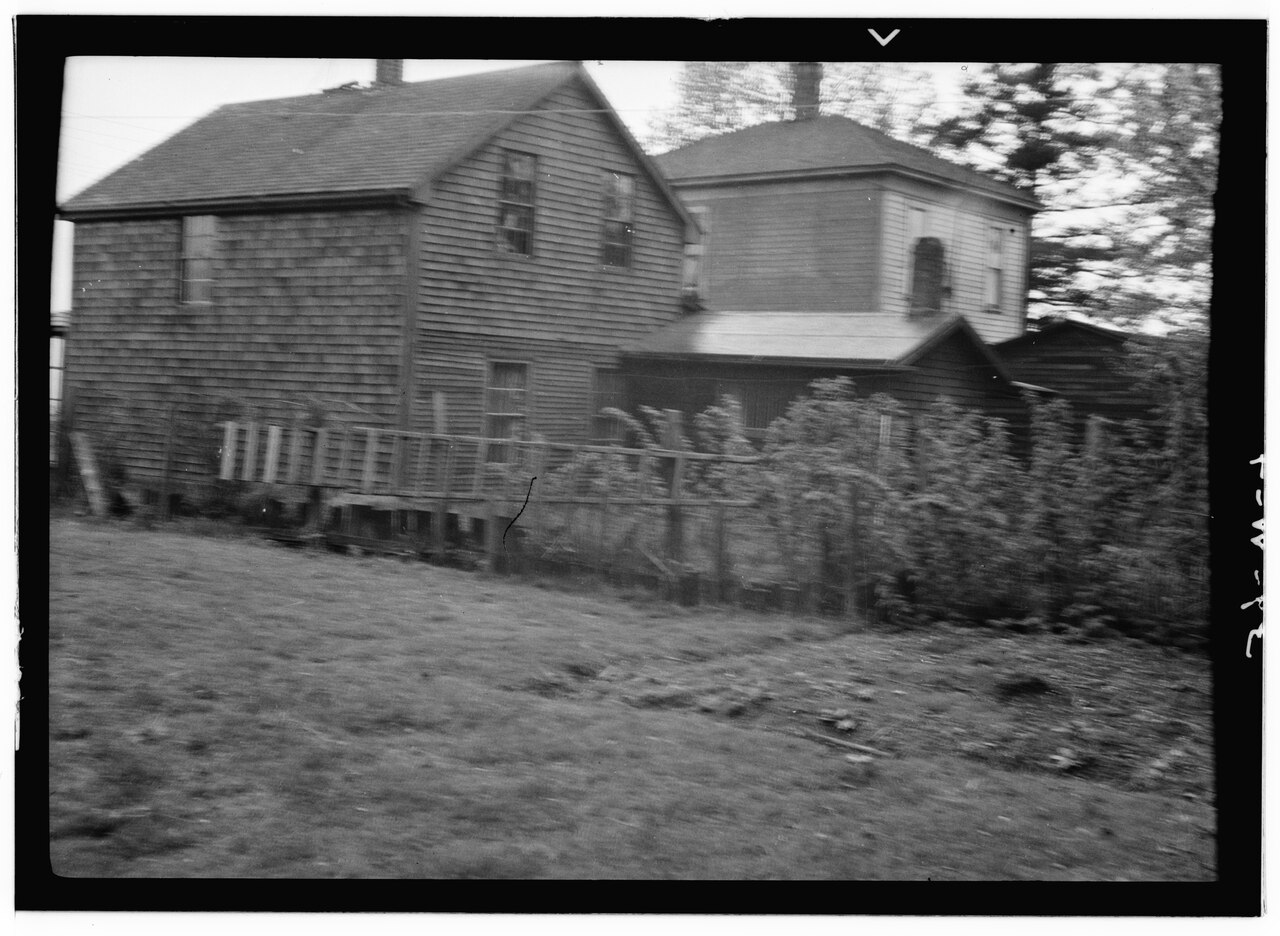
Captain George Pickett — later a Confederate general — builds a frontier fort and a small plank house above the mill. That house still stands today as the oldest building in Bellingham.
More at HistoryLink1858
Gold fever
The gold rush that vanished
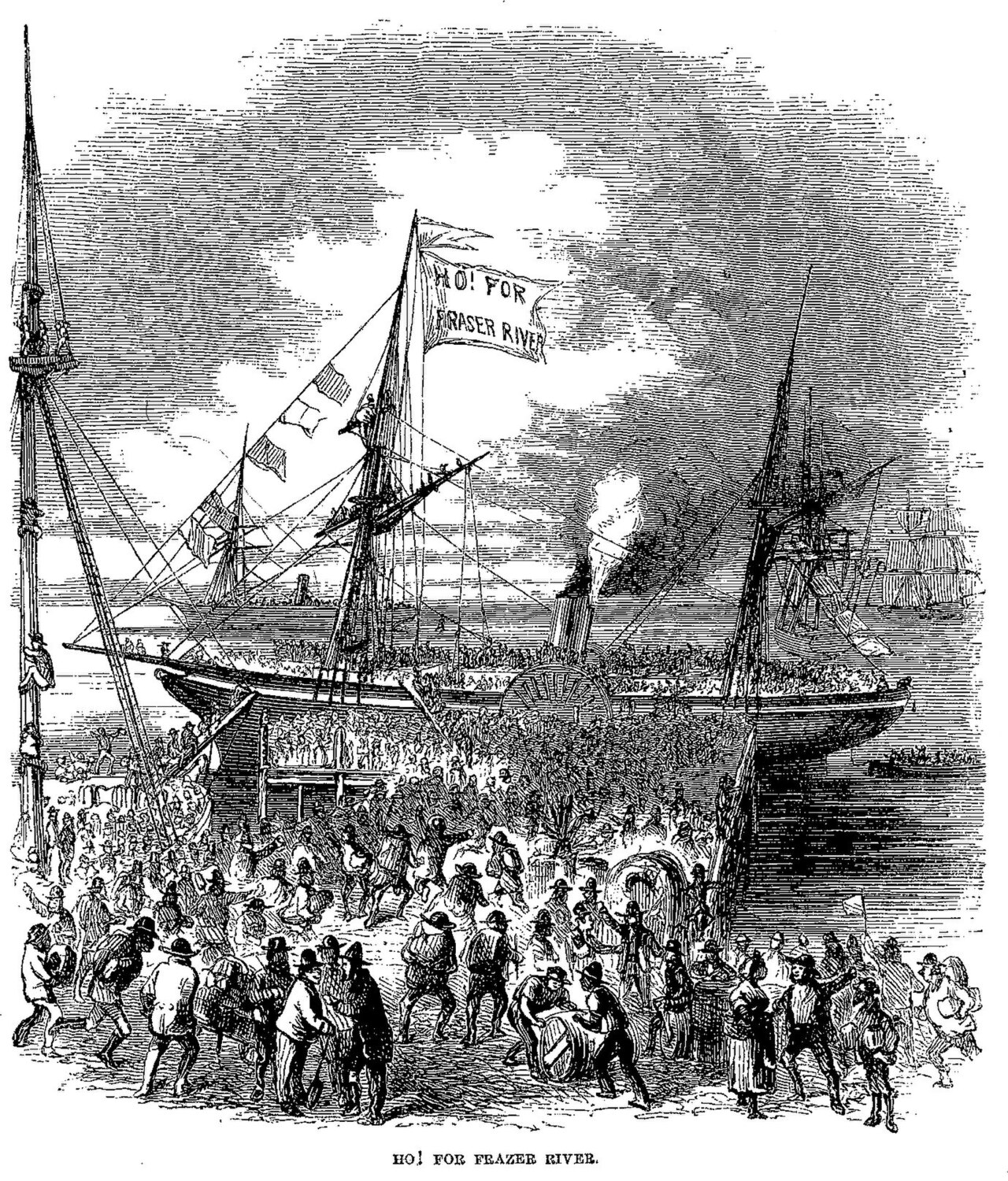
Word of Fraser River gold turns Whatcom into a tent city of thousands almost overnight. When the colonial governor at Victoria requires miners to buy their licenses there instead, the crowd is gone by autumn — hauling whole buildings away by boat.
Boom, bust, and the birth of Fairhaven1883
Fairhaven’s founder
Dirty Dan plats Fairhaven
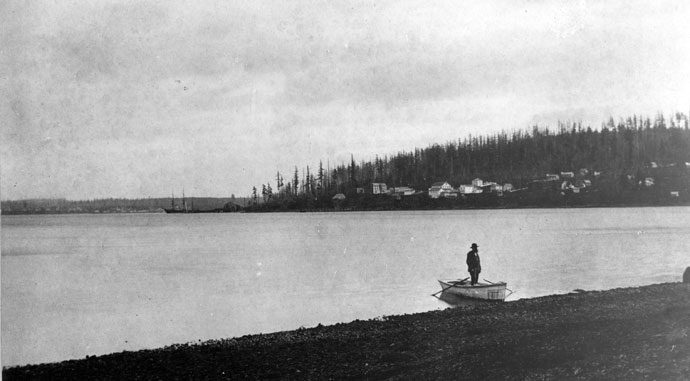
Daniel ‘Dirty Dan’ Harris — a Long Island-born settler, one-time smuggler, and famously unkempt character whose shabby dress earned the nickname — filed the plat for the town of Fairhaven on January 2, 1883. Built on shoreline he had claimed decades before, the 85-block town made him a small fortune in the 1880s land boom; he sold his last holdings in 1889 for $75,000. His statue still presides over the Fairhaven district he founded.
Dirty Dan and the making of Fairhaven1885
A town turns on its own
The Chinese are driven out
In the autumn of 1885 the town of Whatcom forced out its small Chinese community — among them the laundryman Wah Lee — through a boycott led by the local newspaper and town officials, who set a November deadline to leave. The last Chinese resident departed on November 7, and white residents marked the night with a torchlight parade. It was part of a wave of anti-Chinese expulsions across the Northwest; the organizers’ federal indictments were later dismissed.
Exclusion and the Arch of Healing1888
The boom
The railroad gamble
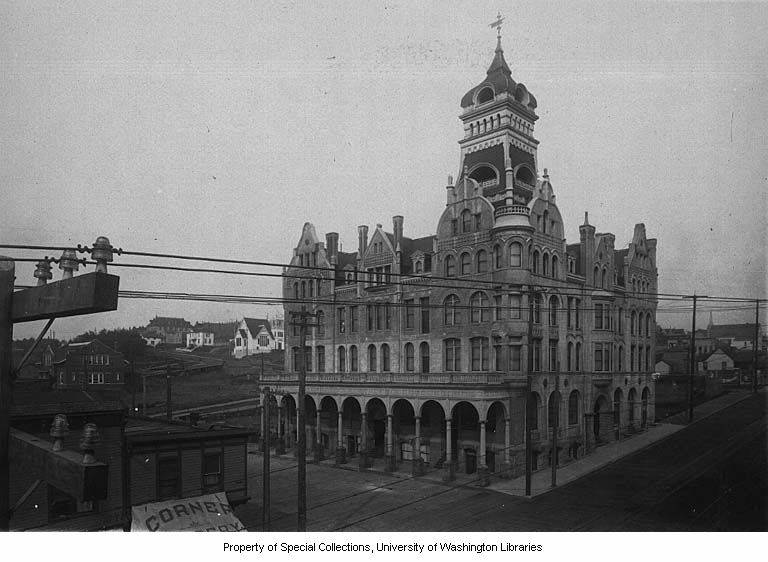
Certain it will be the Great Northern’s Pacific terminus, Fairhaven explodes. Promoter Nelson Bennett pours in money — soon joined by C.X. Larrabee — and within two years the population leaps from about 150 to some 8,000.
The railroad gamble that built FairhavenOn the old Fairhaven line
The ghost train
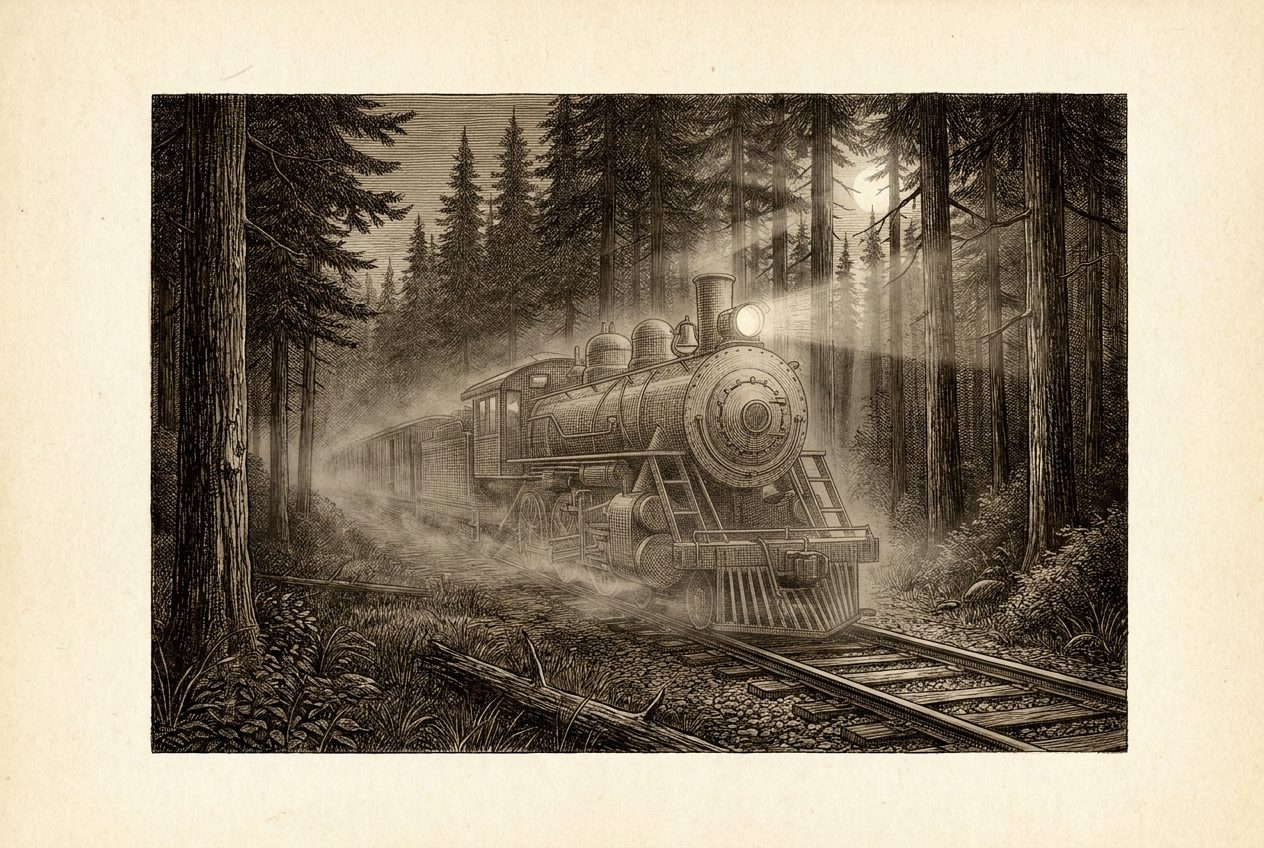
Where the Fairhaven and Southern once hauled Sehome coal toward Sedro-Woolley, the right-of-way is now the Interurban Trail — and the stories never quite left it. Walkers still claim to hear a train that isn’t there: a far-off whistle, a rumble in the rails, on a line where nothing has run in a century.
More at HistoryLinkThe Green Lady of Fairhaven
A ghost in Sycamore Square
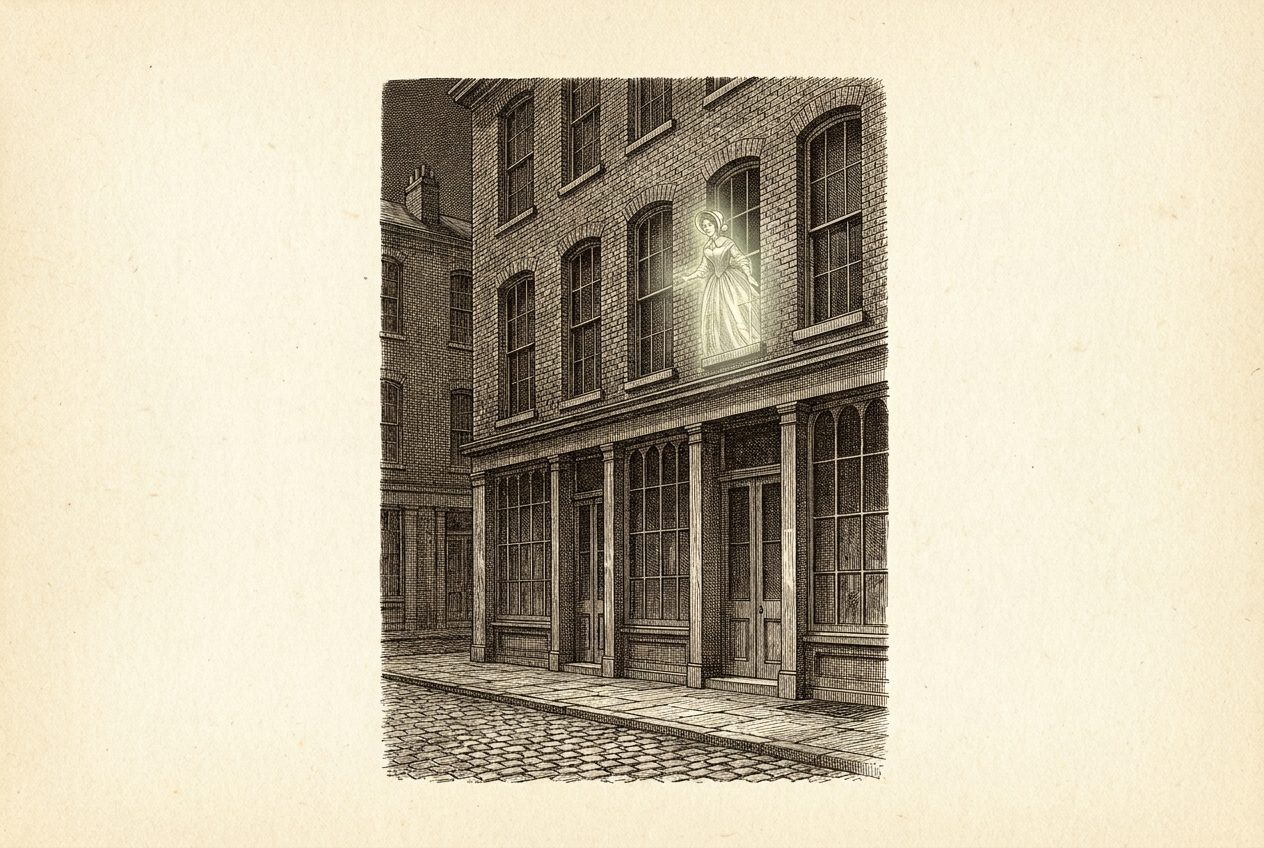
Fairhaven’s most enduring ghost story lives in Sycamore Square, the brick Mason Block raised in 1890. Locals tell of the ‘Green Lady’ — often linked to Flora Blakely, wife of the town marshal, who died in the building in 1892 — said to drift through the upper floors in period dress, glimpsed for a moment before she is gone. More than a century of shopkeepers swear the old block has never quite emptied of her.
More at WhatcomTalk1889
Statehood
Washington joins the Union
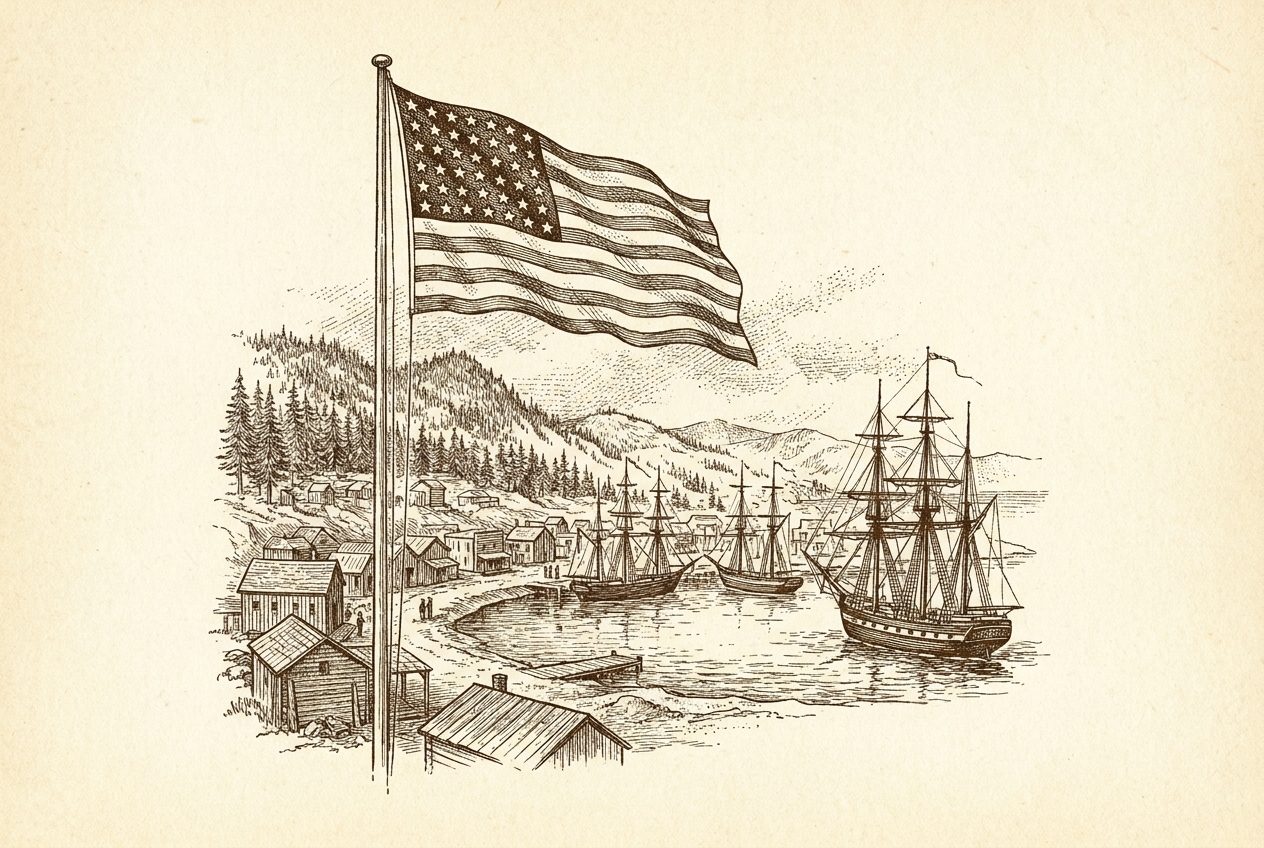
On November 11, Washington becomes the 42nd state. The towns on Bellingham Bay are now part of something permanent — even as their railroad dreams hang in the balance.
More at HistoryLink1891
The decision
Seattle wins the line
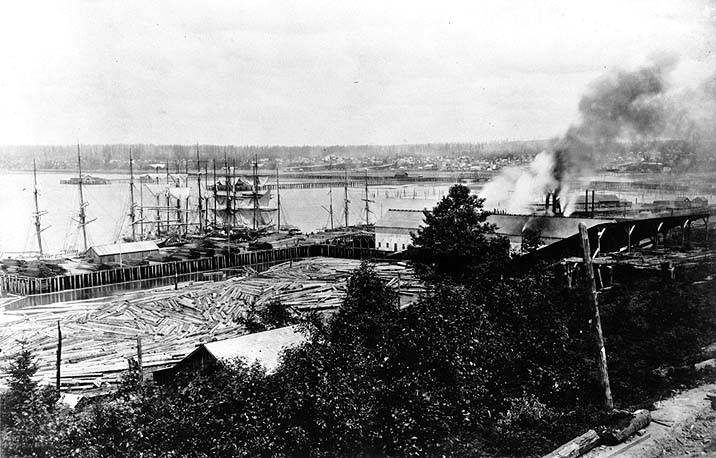
The Great Northern chooses Seattle for its terminus. The same year, Whatcom and Sehome set aside their rivalry and consolidate as New Whatcom.
The race that made and unmade these towns1893
Boom to bust
The Panic of 1893
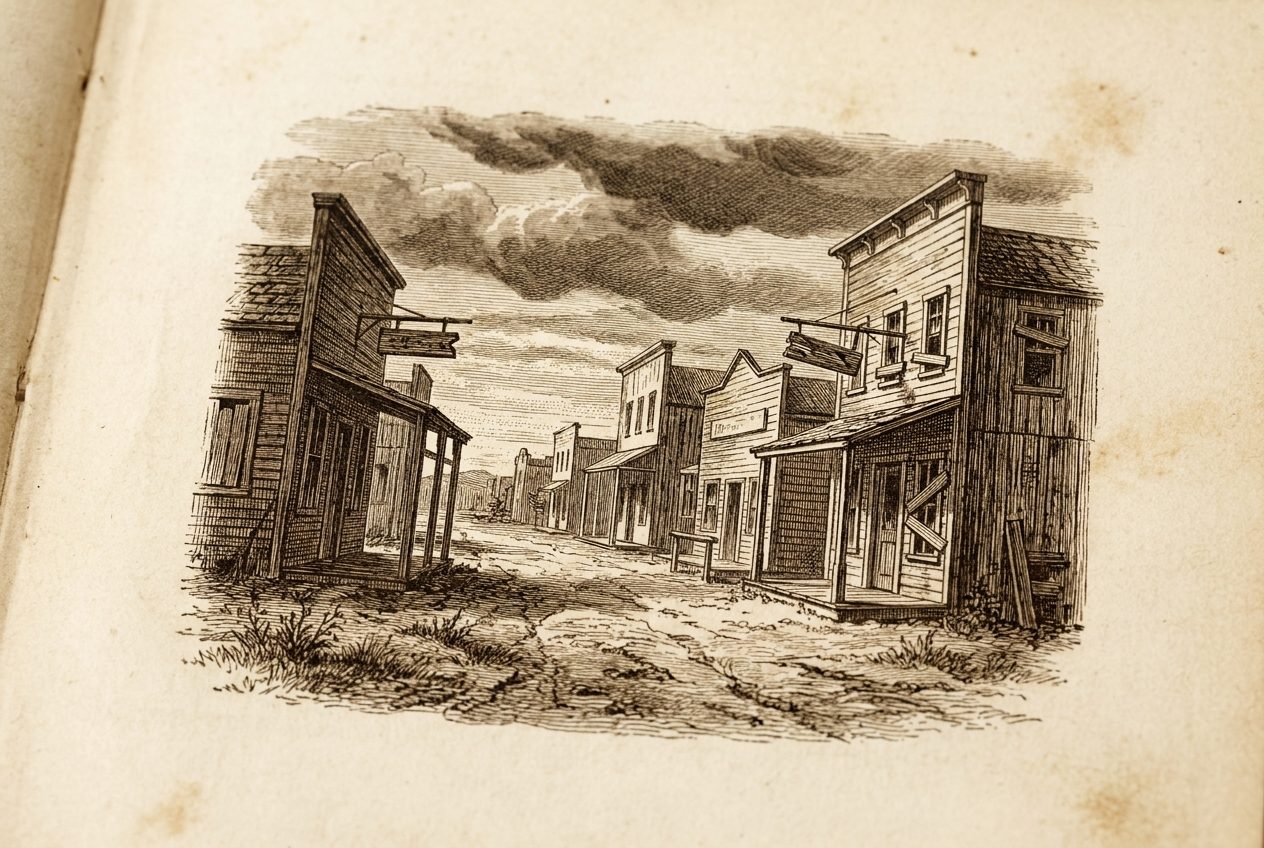
A national financial panic empties the boomtown almost overnight. In the same year, the state quietly charters a teachers’ college here — a seed that will outlast the bust.
More at HistoryLinkSouth of Fairhaven
The tunnel on the trail
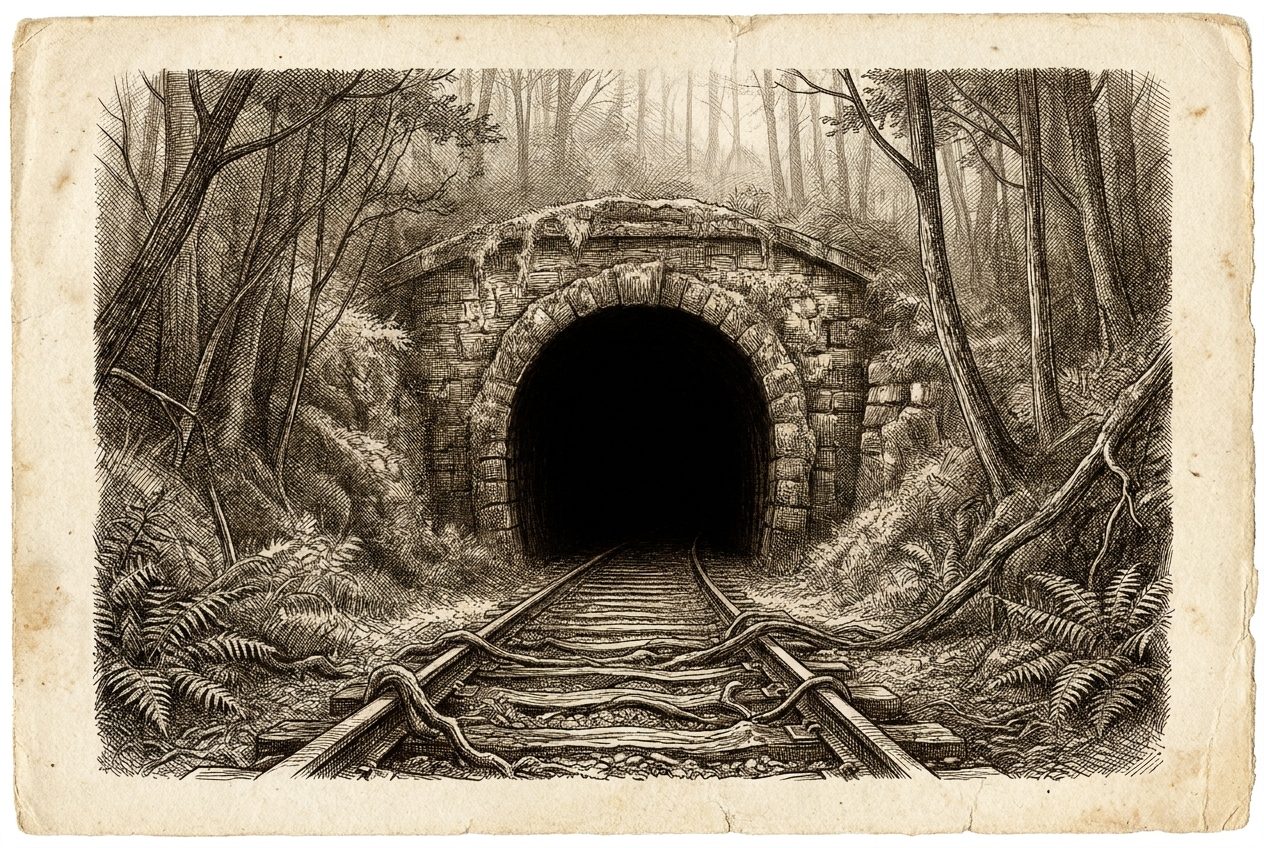
Where the trail slips into an old railway tunnel below Fairhaven, locals have long called it the eeriest spot in the county. A body was once found inside — recorded in T.A. Warger’s account of early Whatcom homicides — and the dark has carried a reputation no daylight quite dispels.
More at WhatcomTalk1898
Timber
Timber on the lake
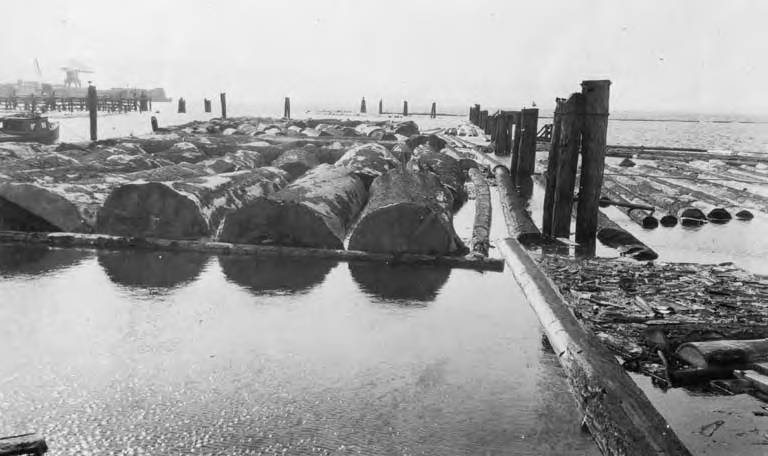
Julius Bloedel, J.J. Donovan, and Peter Larson form the company that becomes the Bloedel-Donovan Lumber Mills, turning Lake Whatcom into one of the busiest milling operations on the coast.
Bellingham’s timber and waterfront story1899
Salmon
The world’s largest cannery
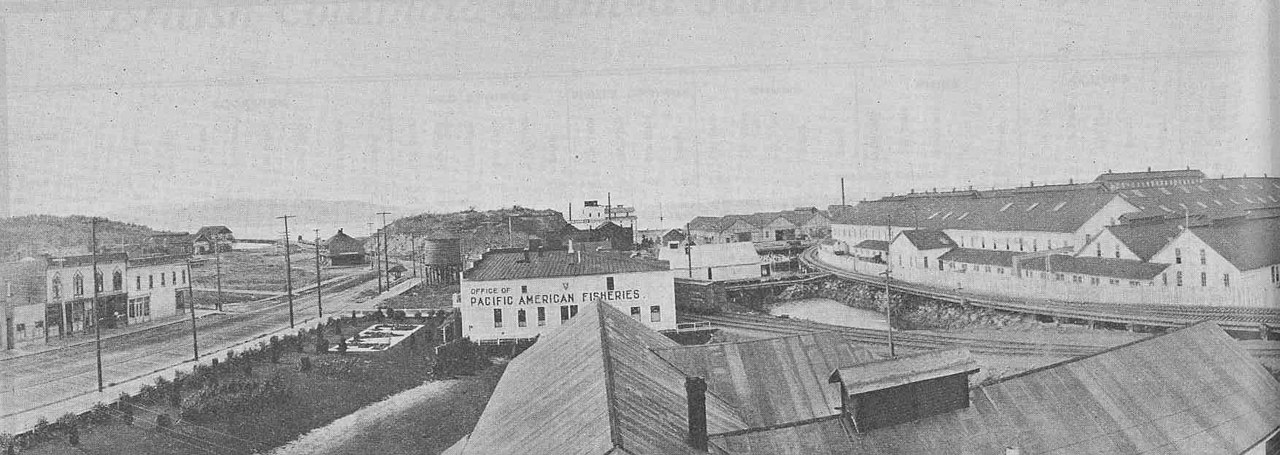
Pacific American Fisheries opens in Fairhaven and grows into the largest salmon cannery on earth — canning the fish, building its own boats, and stamping its own tins, all on the bay.
The world’s largest cannery, and the waterfront1899
The college
A school on Sehome Hill
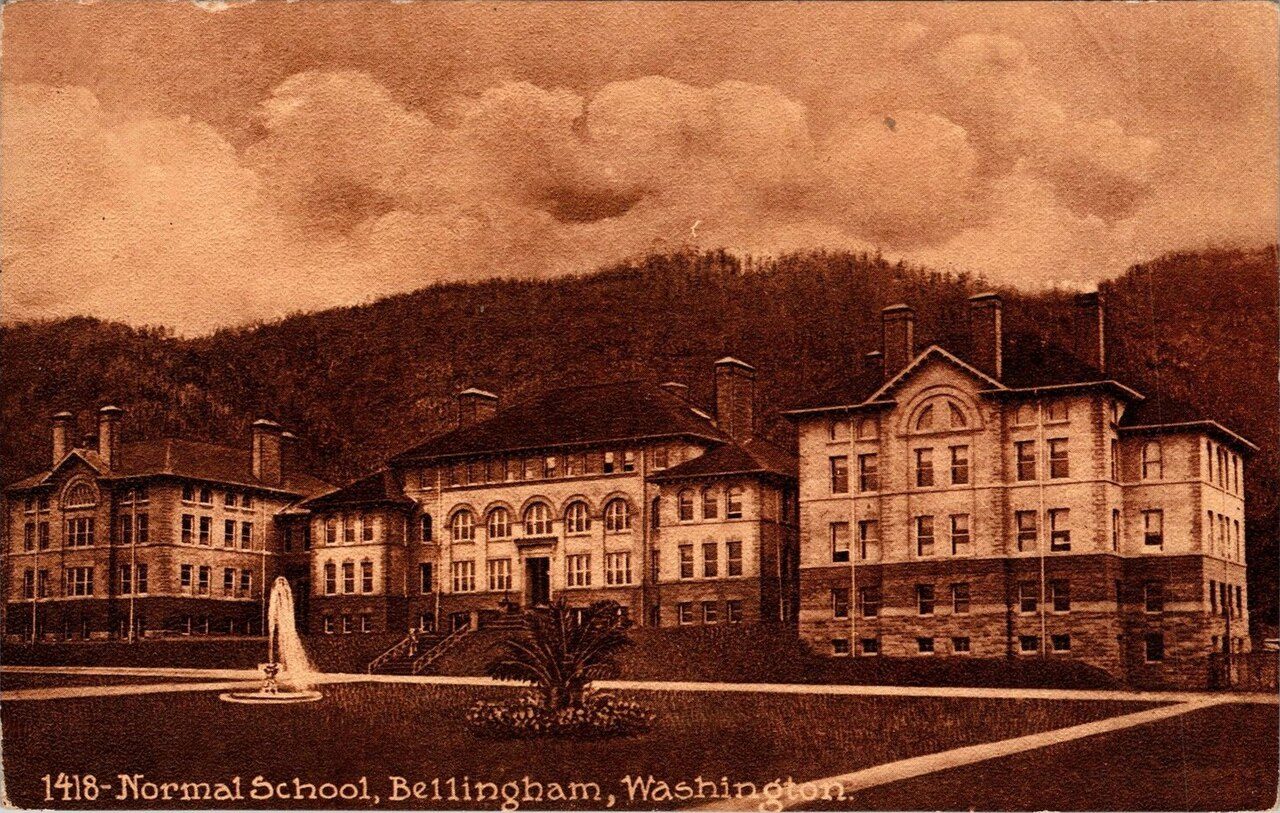
The new normal school opens to a first class of 88, in a sandstone hall quarried from the hill beneath it. This is the institution that will become Western Washington University.
More at WWU1903
One city
Four become one
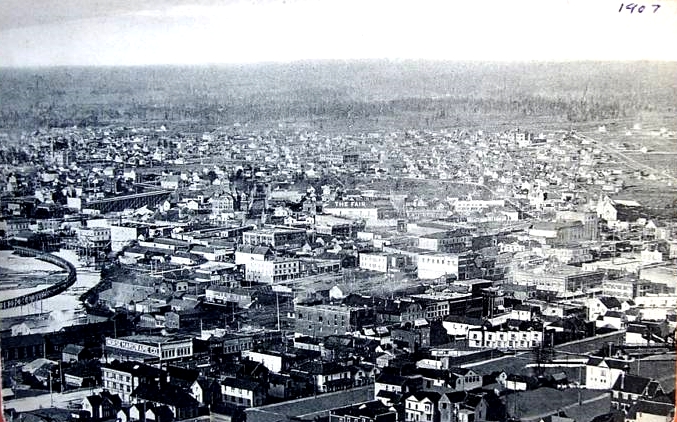
On December 28, the voters of Whatcom and Fairhaven fold a half-century of rivalry into a single city — and name it for the bay itself: Bellingham.
How four towns became one Bellingham1907
A second expulsion
The Sikh mill workers are driven out
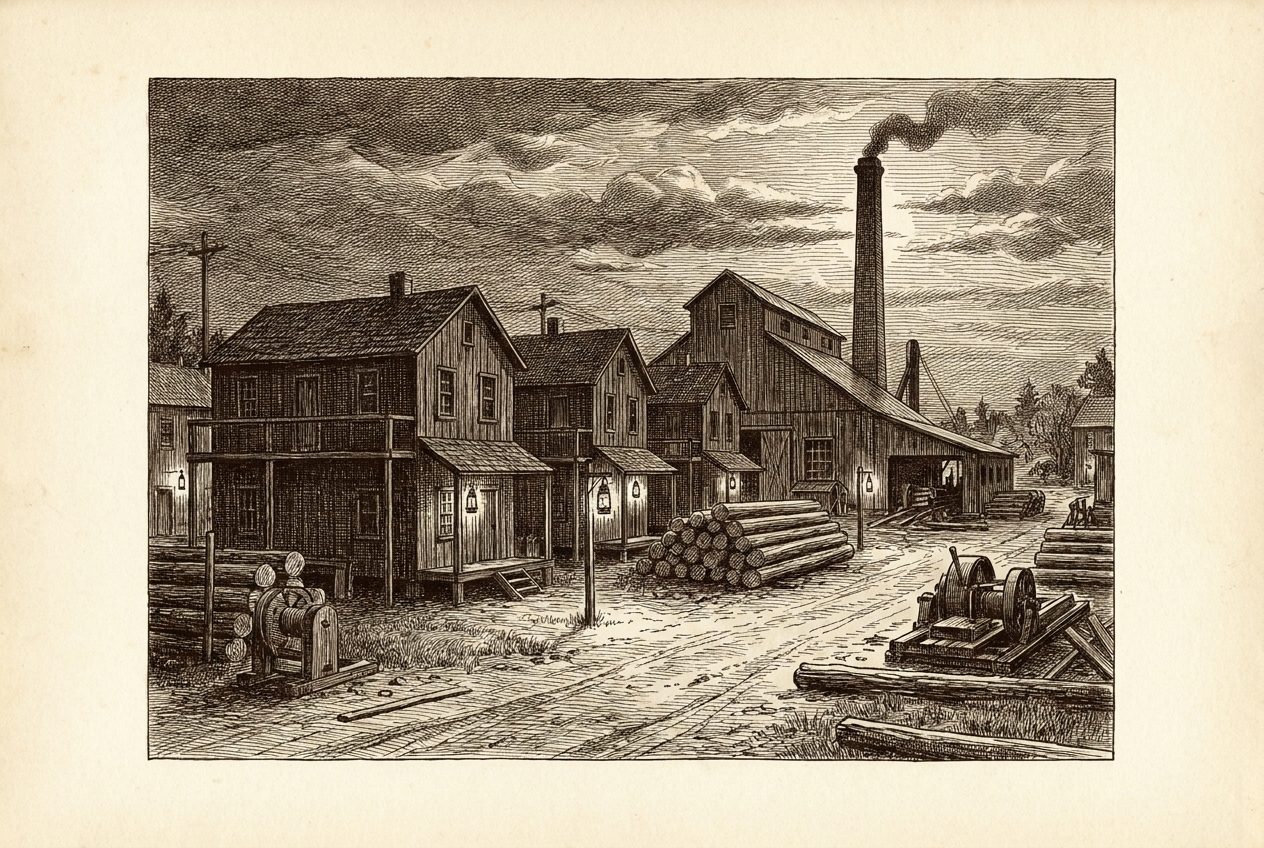
On the night of September 4, 1907, a mob of some four to five hundred men — many from the local Asiatic Exclusion League — swept through Bellingham’s lumber-mill bunkhouses, beating and robbing the South Asian laborers they found, most of them Sikhs from Punjab. Police herded roughly a hundred men into the City Hall basement ‘for their protection,’ on the condition that they leave; within days the whole community had fled, many north into British Columbia. No rioter was convicted — and a century later the city would mark the wrong in granite.
The 1907 riot and the Arch of Healing1912
The trolley that went to sea
The Interurban opens
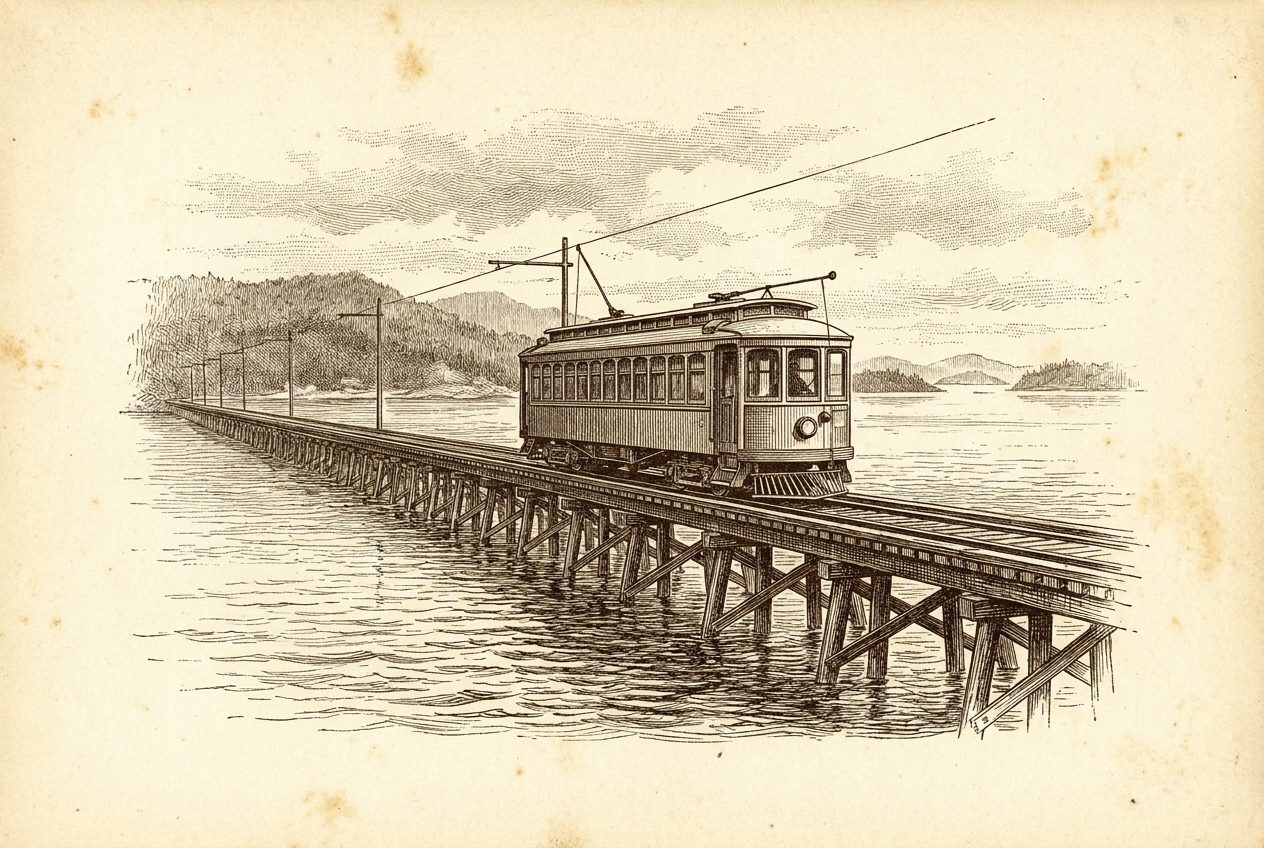
On August 31, 1912, the Bellingham and Skagit Interurban Railway opened — an electric trolley running some twenty-seven miles south from Bellingham through Fairhaven to Mount Vernon, including a four-mile trestle out across the tidewater of Samish Bay that earned it the nickname ‘the trolley that went to sea.’ Eclipsed by the automobile and battered by accidents, it made its last passenger run in 1928 and was abandoned by 1930. Today the Interurban Trail from Fairhaven to Larrabee State Park follows its old right-of-way.
More at HistoryLink1920
Civic life
A port of its own
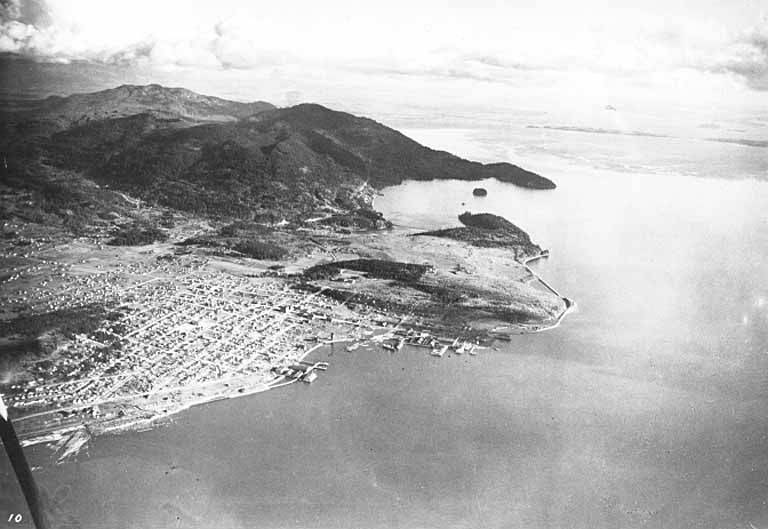
A countywide vote on September 14 creates the Port of Bellingham to run the working waterfront — the public body that, a century later, will lead its rebirth.
The story of the working waterfrontThe 1920s
Rum-runners on the line
Prohibition on the border
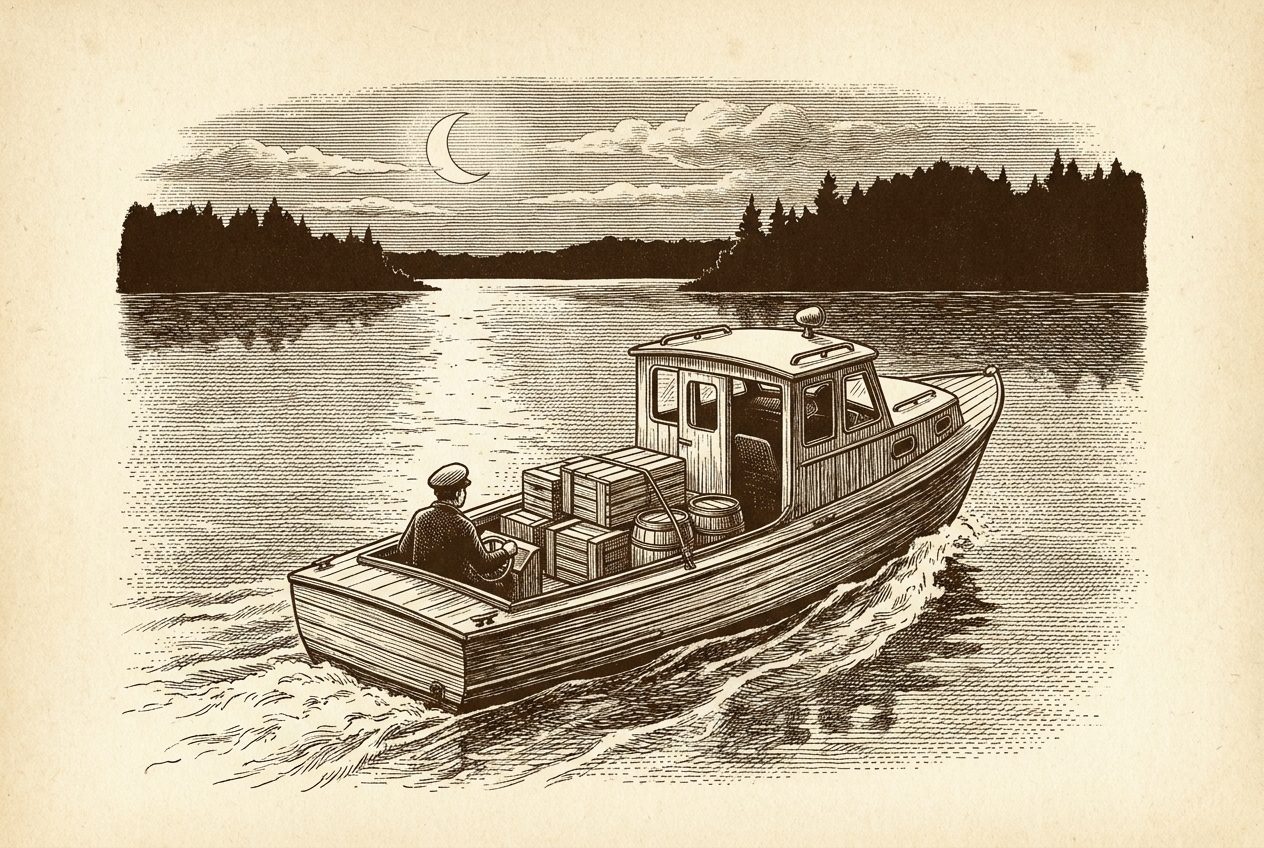
During national Prohibition, Bellingham’s place on the Canadian border made Whatcom County a busy smuggling frontier — Canadian liquor ran south by fast boat through the San Juans, and bootleggers drove moonshine down from British Columbia in cars with hidden compartments. Speakeasies hid behind ordinary storefronts, most notoriously the Tripoli Grocery on West Holly Street, raided again and again; customs agents at Blaine once seized a couch with gin bottles built into its frame. The trade ended only with repeal in 1933.
More at HistoryLink1927
The grand era
The Mount Baker Theatre
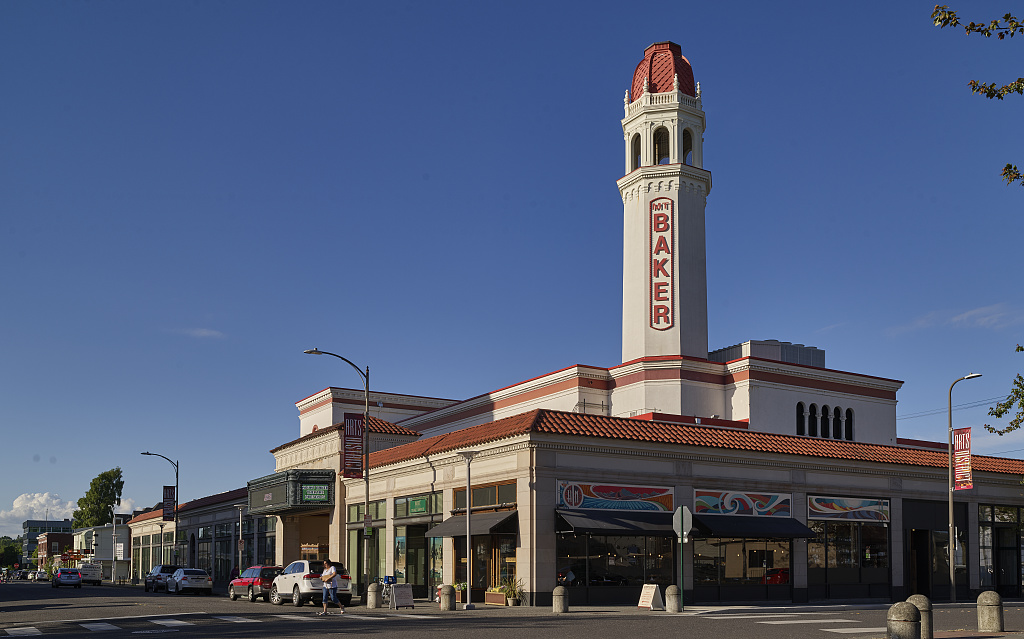
On April 29, the Mount Baker Theatre opens downtown — an 1,800-seat Moorish movie palace whose marquee tower still defines the Bellingham skyline.
More at the Mount Baker Theatre1942
A third expulsion
Japanese American incarceration
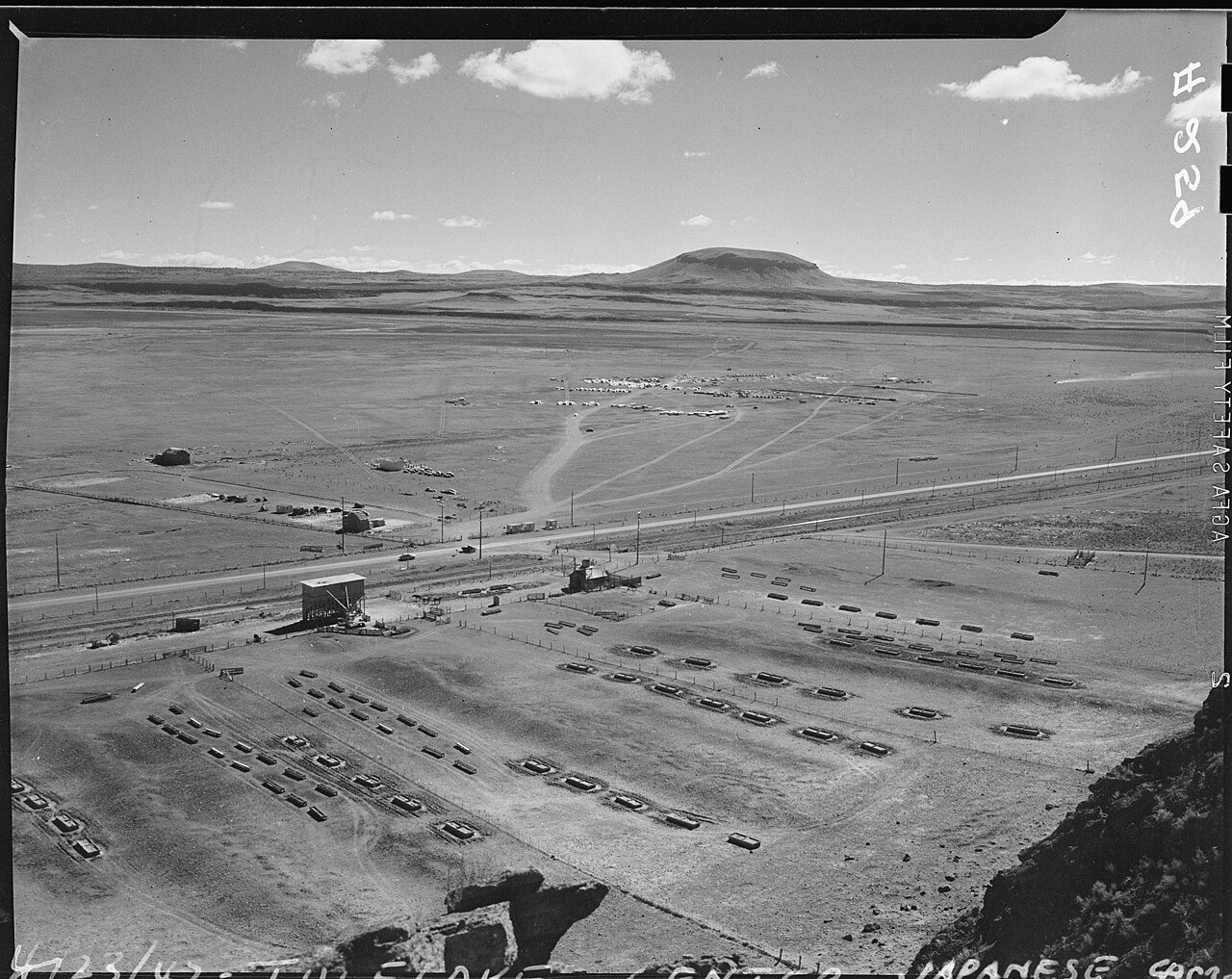
After Executive Order 9066, the Japanese American families of Whatcom County — among them Bellingham-area berry farmers — were removed in the first days of June 1942. Buses carried them from Bellingham straight to the newly opened Tule Lake camp in northern California, held there for the duration of the war. They were among the last Japanese Americans taken from the Washington coast.
Incarceration and the Arch of Healing1974
The treaty upheld
The Boldt Decision
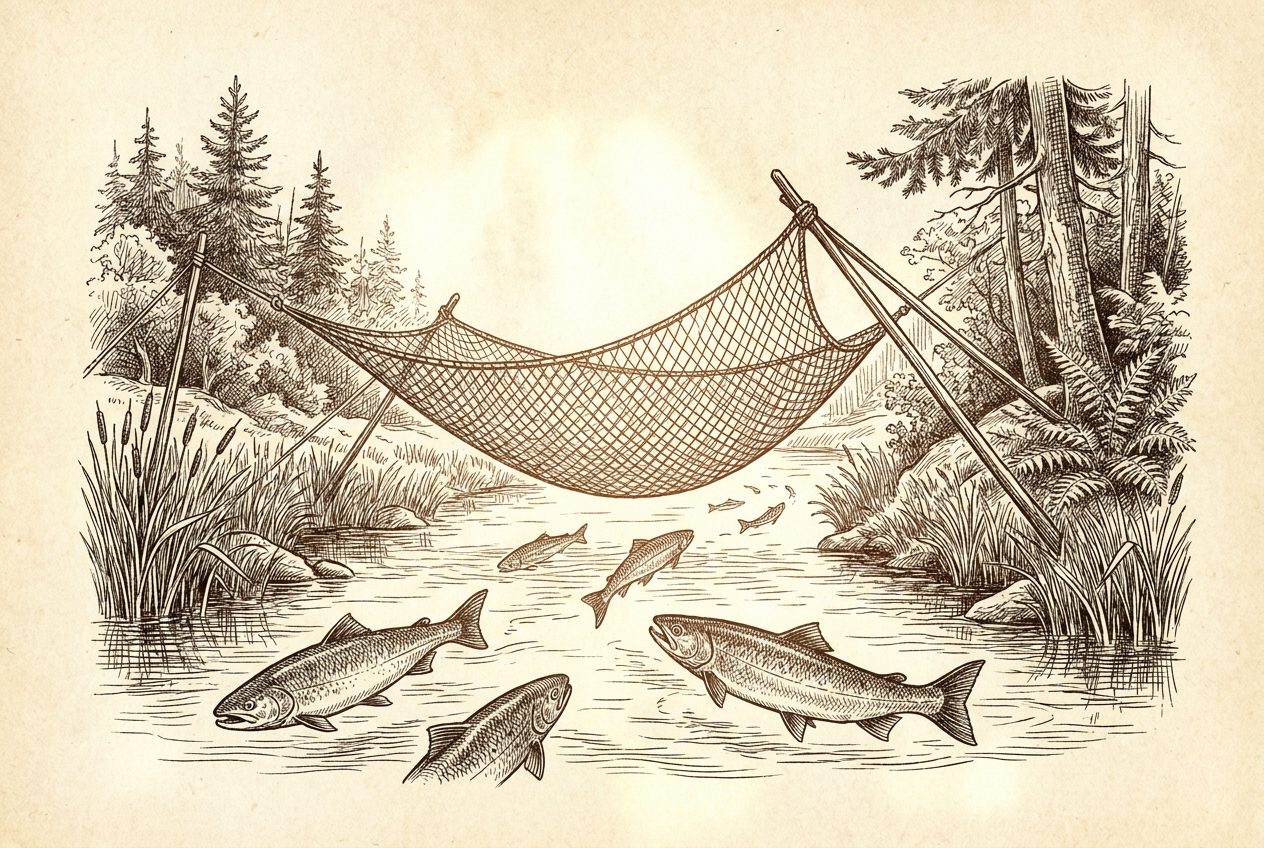
On February 12, 1974, federal judge George Boldt ruled that the treaties of 1854 and 1855 — including the 1855 Treaty of Point Elliott — guaranteed Western Washington tribes the right to half the harvestable salmon and a role as co-managers of the fishery. The Lummi Nation was among the plaintiff tribes, and the decision affirmed the treaty fishing rights of Point Elliott signatories across the region, the Nooksack among them. Upheld by the U.S. Supreme Court in 1979, it stands as a vindication of the promise made at Point Elliott more than a century before.
More at HistoryLink1977
Modern Western
Western Washington University
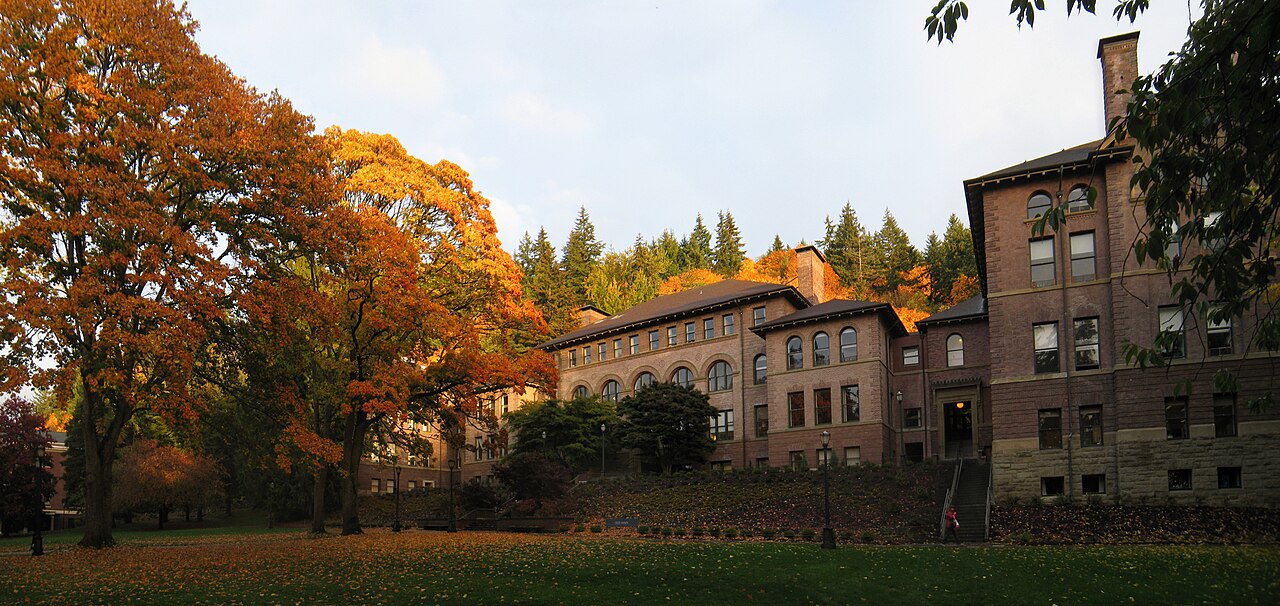
After decades of growth and several name changes, the hilltop school becomes Western Washington University. Its students — roughly sixteen thousand today — have shaped the city’s character ever since.
More at WWU1997
The Bellingham sound
Death Cab for Cutie
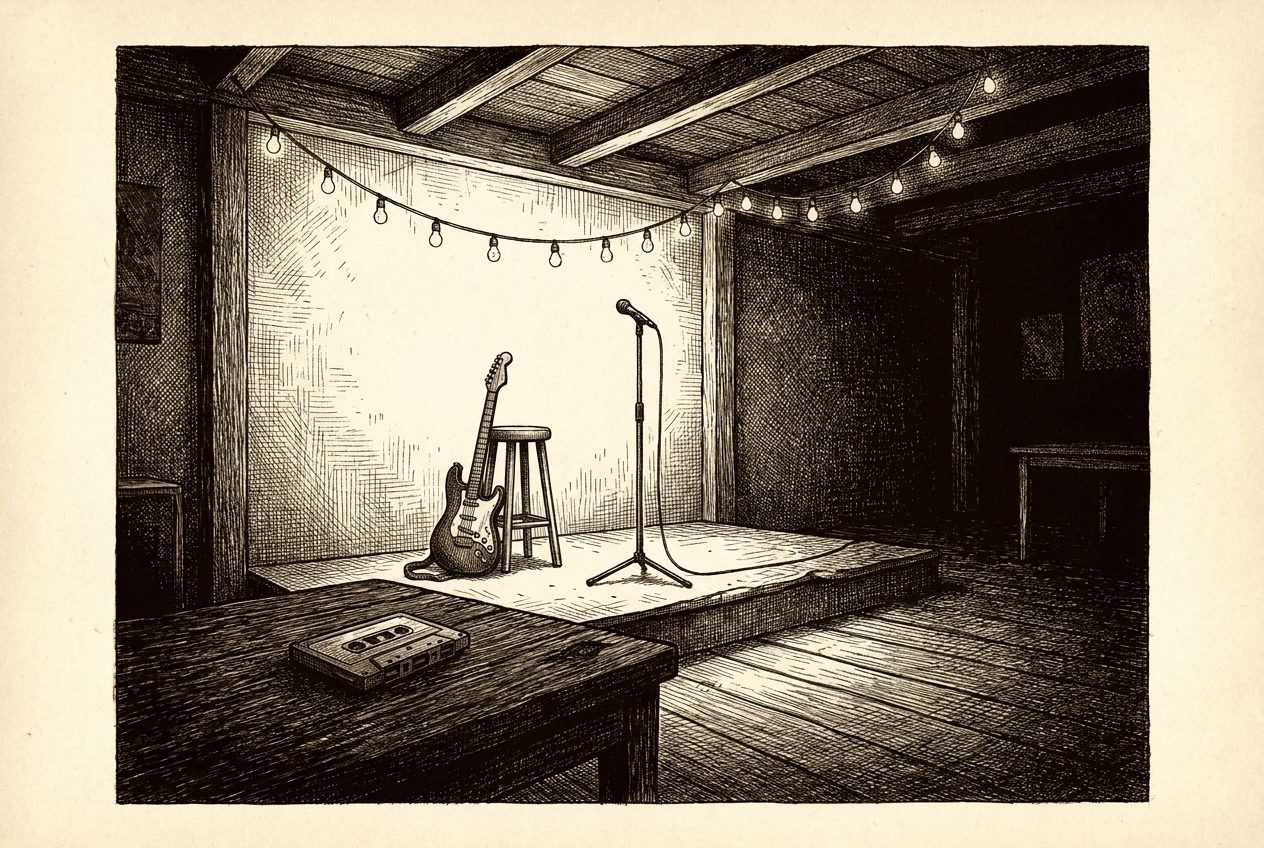
In 1997 a Western Washington University student named Ben Gibbard turned a home-recorded cassette into Death Cab for Cutie, soon joined by his college roommate, bassist Nick Harmer. Playing house parties and the legendary 3B Tavern, the band became the breakout name of a thriving college-town music scene tucked between Seattle and Vancouver — one that kept sending acts to national stages for decades.
More at Wikipedia1998-99
A world record
Mount Baker buries the record
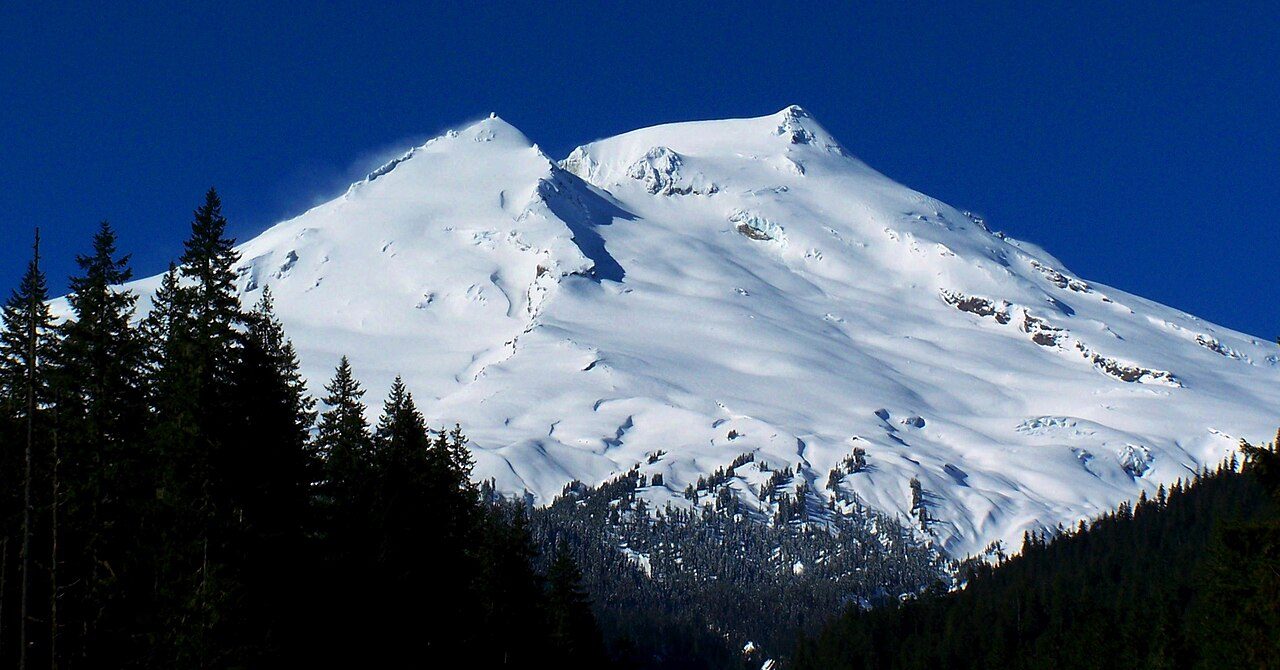
During the La Nina winter of 1998 to 1999, the Mount Baker Ski Area recorded 1,140 inches of snow — more than ninety-five feet — over a single season. Verified by NOAA, it remains the most snow ever measured in one season anywhere in the United States, beating the old U.S. record of 1,122 inches set at Mount Rainier in the winter of 1971 to 1972. More than a quarter-century later, no place on earth has matched it.
More at Mt. Baker Ski Area1999
A city’s loss
The Whatcom Creek tragedy
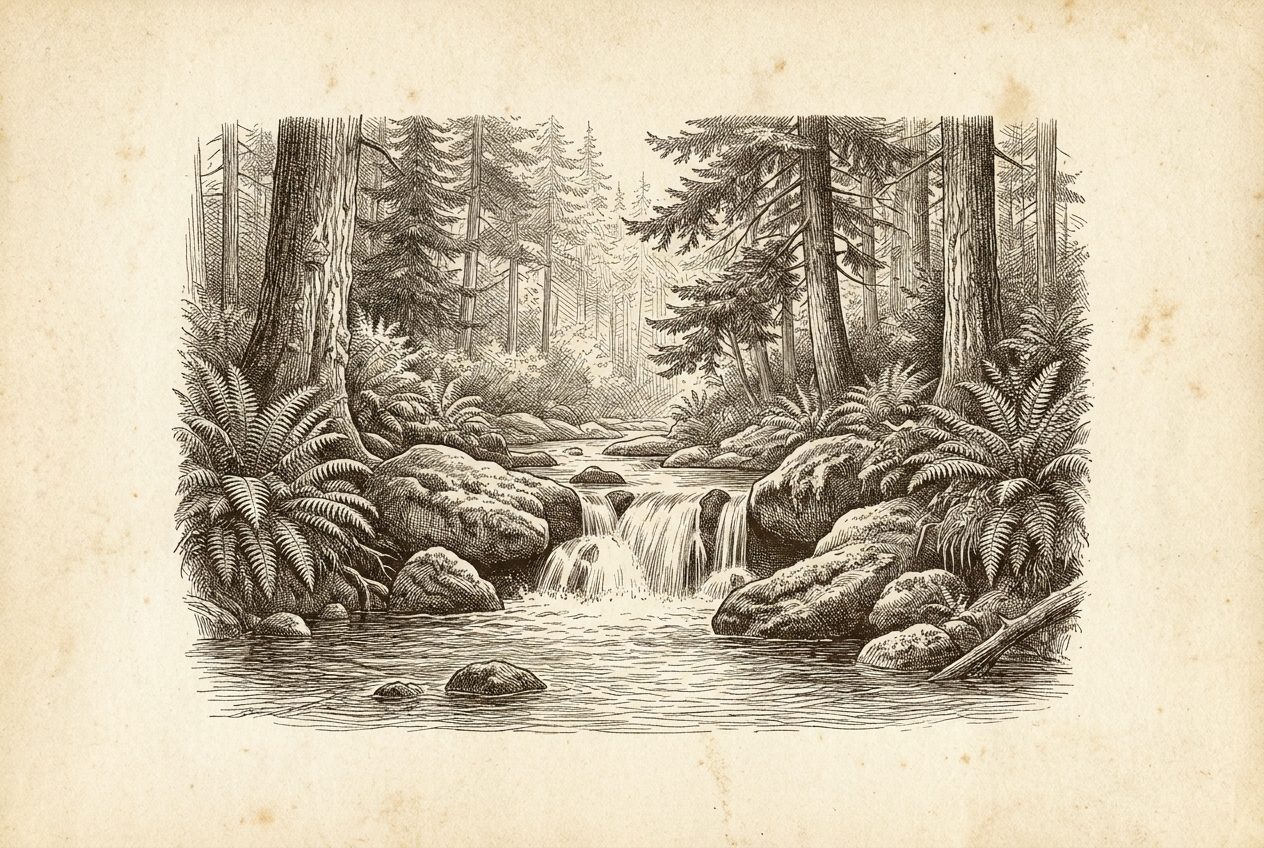
On June 10, a gasoline pipeline ruptured beneath Whatcom Creek and ignited, sending a fireball a mile and a half downstream. Three young people were killed — Liam Wood, 18, and ten-year-olds Stephen Tsiorvas and Wade King. Out of that grief, Bellingham helped rewrite the nation’s pipeline-safety laws and founded the Pipeline Safety Trust — and the creek itself has since returned to life.
The full story of the pipeline tragedy2007
The mill closes
The mill goes quiet
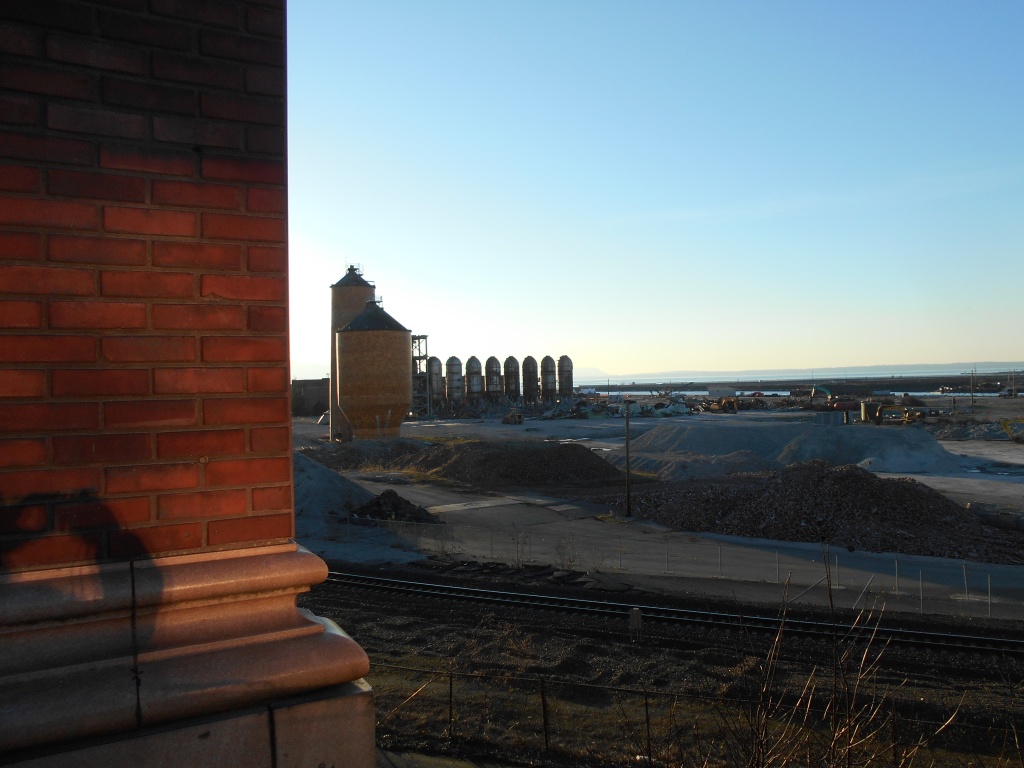
The Georgia-Pacific pulp-and-paper mill, which had held the downtown shoreline since 1926, shuts down for good — leaving behind 137 acres and a 438,000-pound steel sphere.
The waterfront’s industrial century2018
A reckoning in granite
The Arch of Healing and Reconciliation
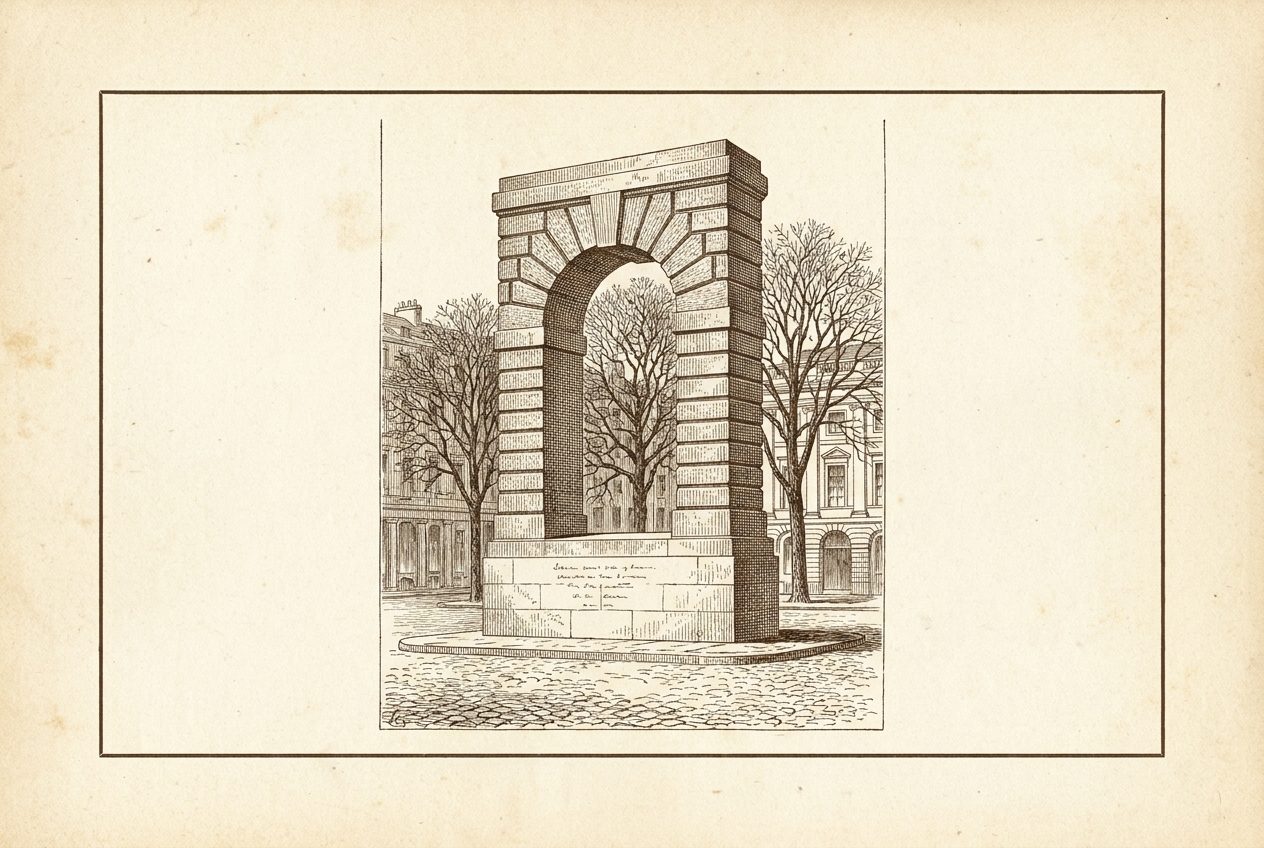
On April 21, 2018, Bellingham dedicated the Arch of Healing and Reconciliation — a twelve-foot red-granite monument outside City Hall honoring the three communities the city had once driven out: the Chinese of 1885, the South Asians of 1907, and the Japanese Americans of 1942. First imagined by members of the Lynden Sikh temple, its base welcomes visitors in many languages, beginning with those of the Lummi and Nooksack peoples — a deliberate turn from exclusion toward repair.
The full story of the Arch of HealingToday
The return
The water comes back
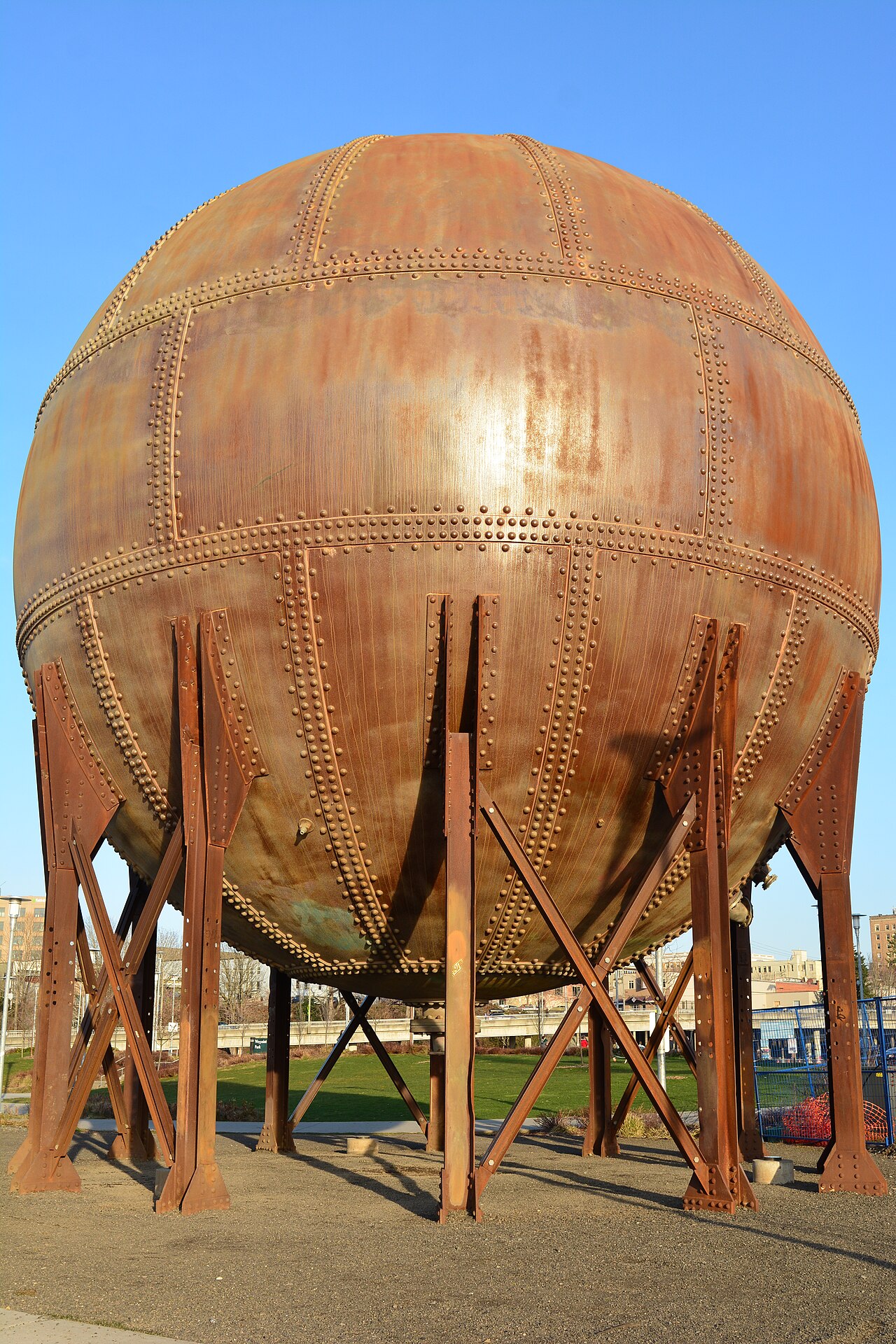
Waypoint Park opens on the old mill site in 2018, keeping the salvaged ‘Acid Ball’ as public art and returning Bellingham to its own waterfront for the first time in over a century. The Waterfront District is only just beginning.
How Bellingham got its waterfront backEvery neighborhood in Bellingham is a chapter of this same story. History drawn from HistoryLink.org, the Port of Bellingham, the City of Bellingham, and Western Washington University. The Lummi Nation and Nooksack Tribe remain sovereign peoples of this land.
Explore the neighborhoodsImage credits
- Since time immemorial · The People of the Sea — Illustration
- Time out of mind · Kulshan and his two wives — Albert Bierstadt, Mt. Baker from the Fraser River, c.1890, Public domain. source
- 1792 · The bay gets a name — Portrait of George Vancouver, National Portrait Gallery, London, Public domain. source
- 1852 · The first mill — Illustration
- 1853 · Coal under Sehome — Illustration
- 1855 · The Treaty of Point Elliott — Illustration
- 1856 · Fort Bellingham — Historic American Buildings Survey, Library of Congress, Public domain. source
- 1858 · The gold rush that vanished — Harper’s New Monthly Magazine, 1860, Public domain. source
- 1883 · Dirty Dan plats Fairhaven — Daniel J. Harris in his rowboat, 1884, Public domain. source
- 1885 · The Chinese are driven out — Illustration
- 1888 · The railroad gamble — University of Washington Libraries, Special Collections, Public domain. source
- · The ghost train — Illustration
- · A ghost in Sycamore Square — Illustration
- 1889 · Washington joins the Union — Illustration
- 1891 · Seattle wins the line — Photo by Eric A. Hegg; University of Washington Libraries, Public domain. source
- 1893 · The Panic of 1893 — Illustration
- · The tunnel on the trail — Illustration
- 1898 · Timber on the lake — University of Washington Libraries, Special Collections, Public domain. source
- 1899 · The world’s largest cannery — Pacific Fisherman Annual, 1912, Public domain. source
- 1899 · A school on Sehome Hill — Old Main, the Bellingham Normal School, c.1910 (E.H. Mitchell), Public domain. source
- 1903 · Four become one — Bird’s-eye view of Bellingham, 1907 postcard, Public domain. source
- 1907 · The Sikh mill workers are driven out — Illustration
- 1912 · The Interurban opens — Illustration
- 1920 · A port of its own — Photo by J. Wilbur Sandison; University of Washington Libraries, Public domain. source
- The 1920s · Prohibition on the border — Illustration
- 1927 · The Mount Baker Theatre — Carol M. Highsmith Archive, Library of Congress (present-day photo), Public domain. source
- 1942 · Japanese American incarceration — Photo by Clem Albers, 1942 · U.S. National Archives, Public domain. source
- 1974 · The Boldt Decision — Illustration
- 1977 · Western Washington University — Photo by Andrew Kvalheim (CC BY-SA 4.0), CC BY-SA 4.0. source
- 1997 · Death Cab for Cutie — Illustration
- 1998-99 · Mount Baker buries the record — Photo: Lhb1239 (CC BY-SA 3.0), CC BY-SA 3.0. source
- 1999 · The Whatcom Creek tragedy — Illustration
- 2007 · The mill goes quiet — Photo by Robert Ashworth (CC BY 2.0), CC BY 2.0. source
- 2018 · The Arch of Healing and Reconciliation — Illustration
- Today · The water comes back — Photo by Joe Mabel (CC BY-SA 4.0), CC BY-SA 4.0. source
Buying a home here is joining a story already in progress. Knowing how Bellingham came together makes the neighborhoods, the names, and the waterfront read very differently on your first drive through town.
Quick questions about Bellingham’s past
The short answers behind the timeline above.
When was Bellingham founded?
The oldest of its settlements, Whatcom, was founded in 1852 around a lumber mill on Whatcom Creek. The modern city of Bellingham itself was created later, on December 28, 1903, when the rival cities of Whatcom and Fairhaven voted to consolidate under a single name.
Why is it called Bellingham?
The city takes its name from Bellingham Bay, which the British navigator George Vancouver charted in 1792 and named for Sir William Bellingham, an official of the Royal Navy. When the towns merged in 1903 they adopted the bay’s name for the new city.
What were the four original towns on Bellingham Bay?
Whatcom, Sehome, Bellingham, and Fairhaven grew up side by side in the 1850s. Through the 1880s railroad boom and the consolidations that followed, they absorbed one another until only Whatcom and Fairhaven remained, finally uniting as Bellingham in 1903.
When did Western Washington University open?
It was chartered in 1893 as the New Whatcom State Normal School, a teacher-training college, and opened on Sehome Hill in 1899 with a first class of 88 students. It was renamed Western Washington University in 1977 and now enrolls roughly sixteen thousand students.
What happened to the Bellingham waterfront?
A pulp and paper mill, run for decades by Georgia-Pacific, occupied the downtown shoreline until it closed (pulp in 2001, tissue in 2007). The Port of Bellingham is redeveloping the 137-acre site as the Waterfront District; Waypoint Park opened in 2018, keeping the mill’s salvaged ‘Acid Ball’ as public art.