

Bellingham · A history we owe the truth
A Reckoning: Exclusion and the Arch of Healing
Three times this community drove out its neighbors because of where they came from. In 2018, the city chose to stop looking away. This is that history, told plainly, and the monument that now answers it.
Why this page exists
Most of what you will read on this site celebrates Bellingham: its water and mountains, its neighborhoods, the reasons people move here and stay. This page is different. It records three times the people of this place decided that some of their neighbors did not belong, and forced them to leave. It is not comfortable history, and it is not meant to be.
I write it anyway, because a town that knows itself honestly is a better place to build a life than one that only tells the flattering parts. Each account below is drawn from the historical record and named where the record names names. Nothing here is invented or dramatized. In 2018 Bellingham itself chose to face this past in granite, and that choice is the reason the story does not end in shame.
The Chinese expulsion of 1885
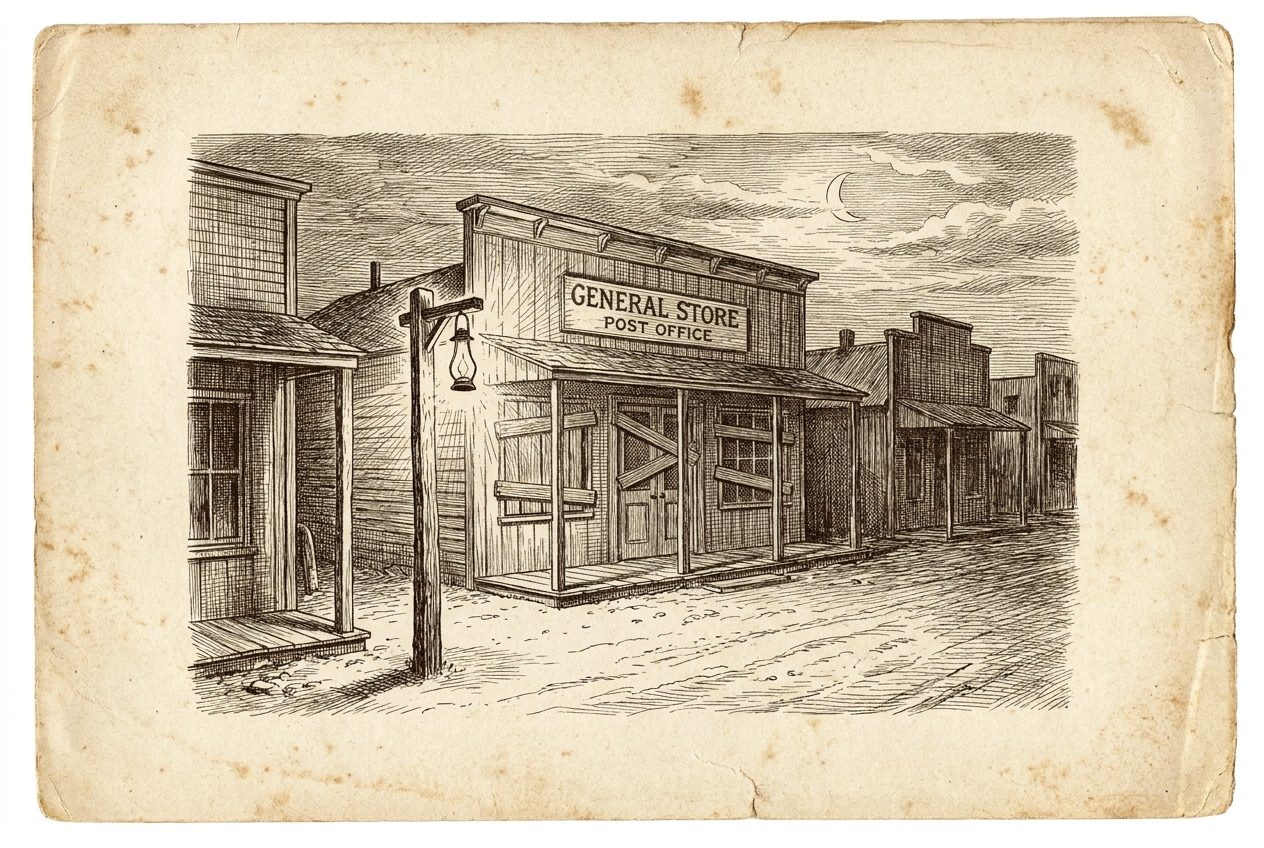
In the early 1880s a small Chinese community lived and worked around Whatcom, the frontier settlement that would later become part of Bellingham. Among them was a laundryman remembered in the record as Wah Lee. As anti-Chinese feeling spread across the West, the local newspaper, the Whatcom Reveille, turned against these residents. As early as 1884 it pressed readers not to hire, rent to, or buy from Chinese people in town, and the boycott took hold.
By the autumn of 1885 the pressure had hardened into an ultimatum. In meetings backed by officials and the press, the town’s Chinese residents were told to be gone by November 1, 1885. They left. In the first days of November the last of them departed, and white residents marked the moment with a torchlight parade, a speech by the mayor, and music in the streets — a celebration of a community’s removal.
Whatcom was not alone. The same weeks saw Tacoma expel its Chinese residents on November 3, 1885, with Seattle following in February 1886. It was a coordinated regional campaign, not an isolated local fit of anger. Organizers of these expulsions were indicted by federal grand juries, but the cases collapsed on technicalities and effectively no one was punished.
The anti-Sikh riot of 1907
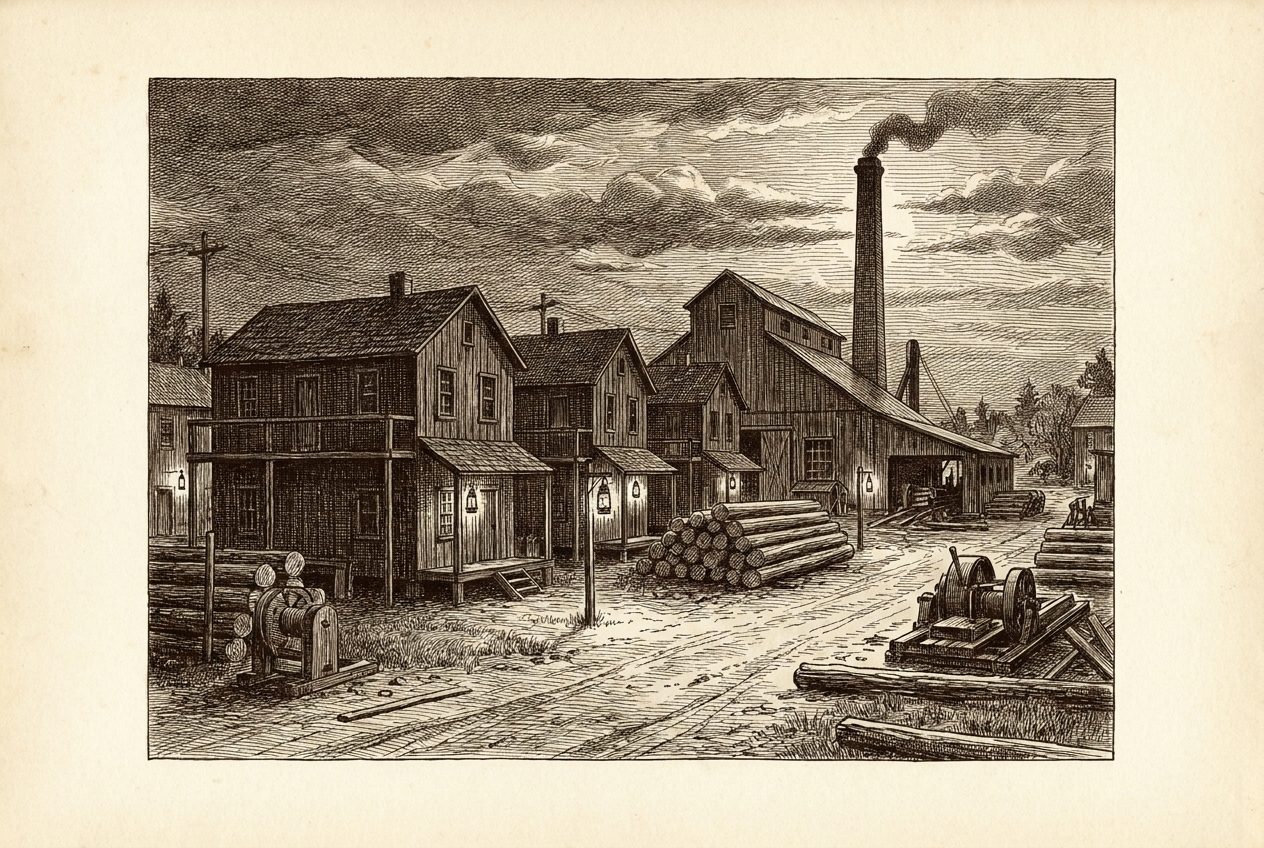
Two decades later, South Asian men — most of them Sikhs from Punjab — had come to work in Bellingham’s lumber mills. By the summer of 1907 roughly 250 were employed here. They were resented as competition for mill jobs, and that resentment was organized: the Asiatic Exclusion League, founded in San Francisco in 1905, had a local following bent on driving them out.
On the night of September 4, 1907, a mob of some four to five hundred men moved through the waterfront district, breaking into bunkhouses and homes where the workers lived and forcing the men into the street. More than a hundred took shelter in the basement of City Hall, in part for their own safety. The violence continued into the next day.
Within days the entire community was gone. Many crossed the border into British Columbia; others scattered down the coast. No one was meaningfully held to account for what came to be called the Bellingham riots. The episode is documented today by Densho, the South Asian American Digital Archive, and HistoryLink, and it remains one of the best-known anti-South-Asian attacks in American history.
The Japanese American removal of 1942
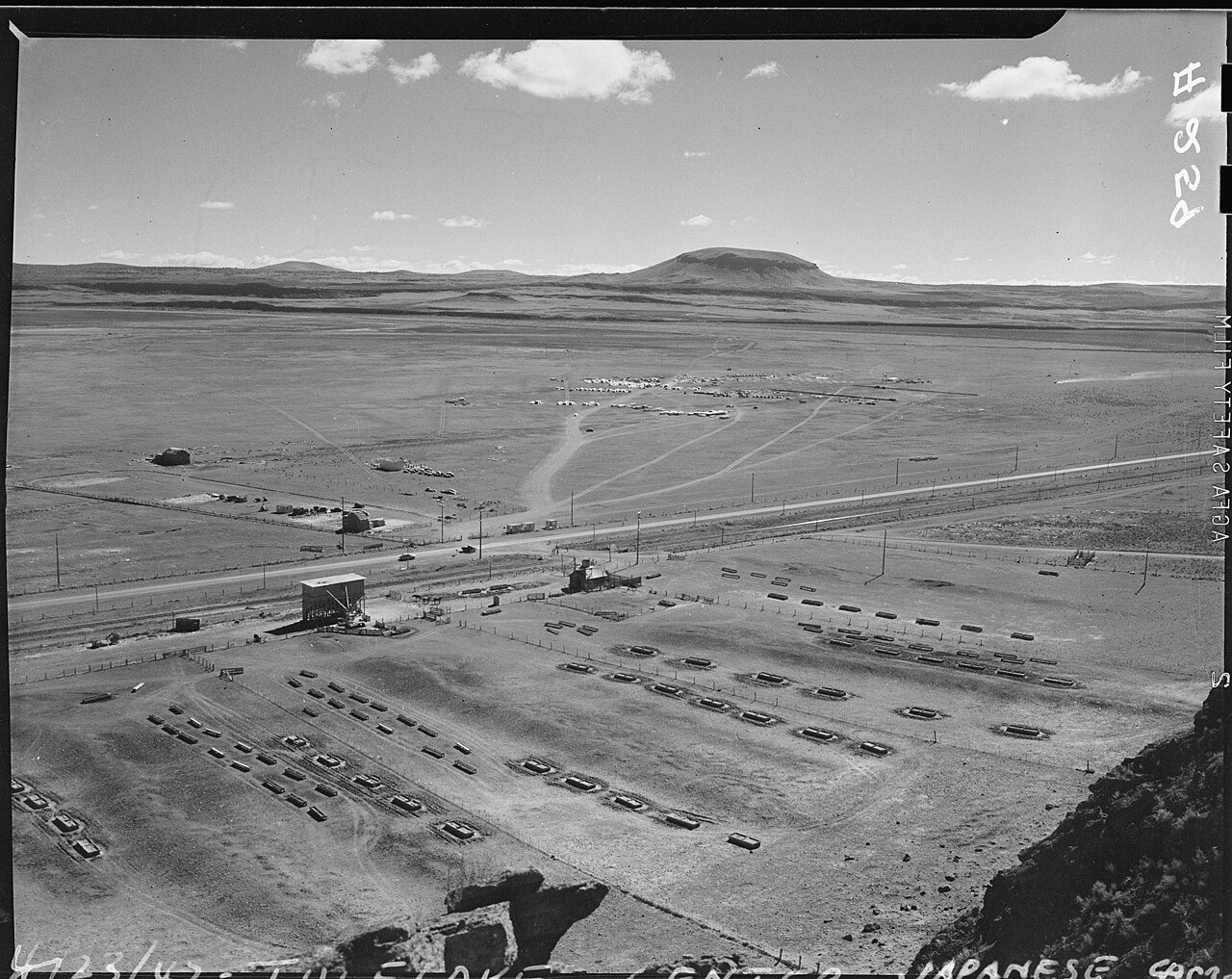
By the 1940s Japanese American families had built farms and lives across Whatcom County, many of them growing berries in the fertile ground around Bellingham. They were citizens and longtime residents. That made no difference after the attack on Pearl Harbor.
On February 19, 1942, President Franklin D. Roosevelt signed Executive Order 9066, authorizing the removal of people of Japanese ancestry from the West Coast. Under Exclusion Order 90, the Japanese American residents of Whatcom, Skagit, and Snohomish counties were among the last on the Washington coast to be taken. In the first days of June 1942 they were removed from their homes and farms and sent directly to the Tule Lake camp, on the California-Oregon line.
One of them, Riichi Fuwa, was twenty-four when he was forced off his family’s farm in Bellingham and assigned a number at Tule Lake. His story, preserved by Densho, stands for hundreds of others: families who lost crops, land, and years of their lives to fear and an order signed in Washington, D.C.
The Arch of Healing and Reconciliation
The idea began with grief and generosity. Members of the Lynden Sikh temple, the Guru Nanak Gursikh Gurdwara, set out to mark the 1907 riot that had driven out people like their own forebears. As they worked, the project grew. Chinese and Japanese American community members joined, and what had been one memorial became a shared one, holding all three histories together.
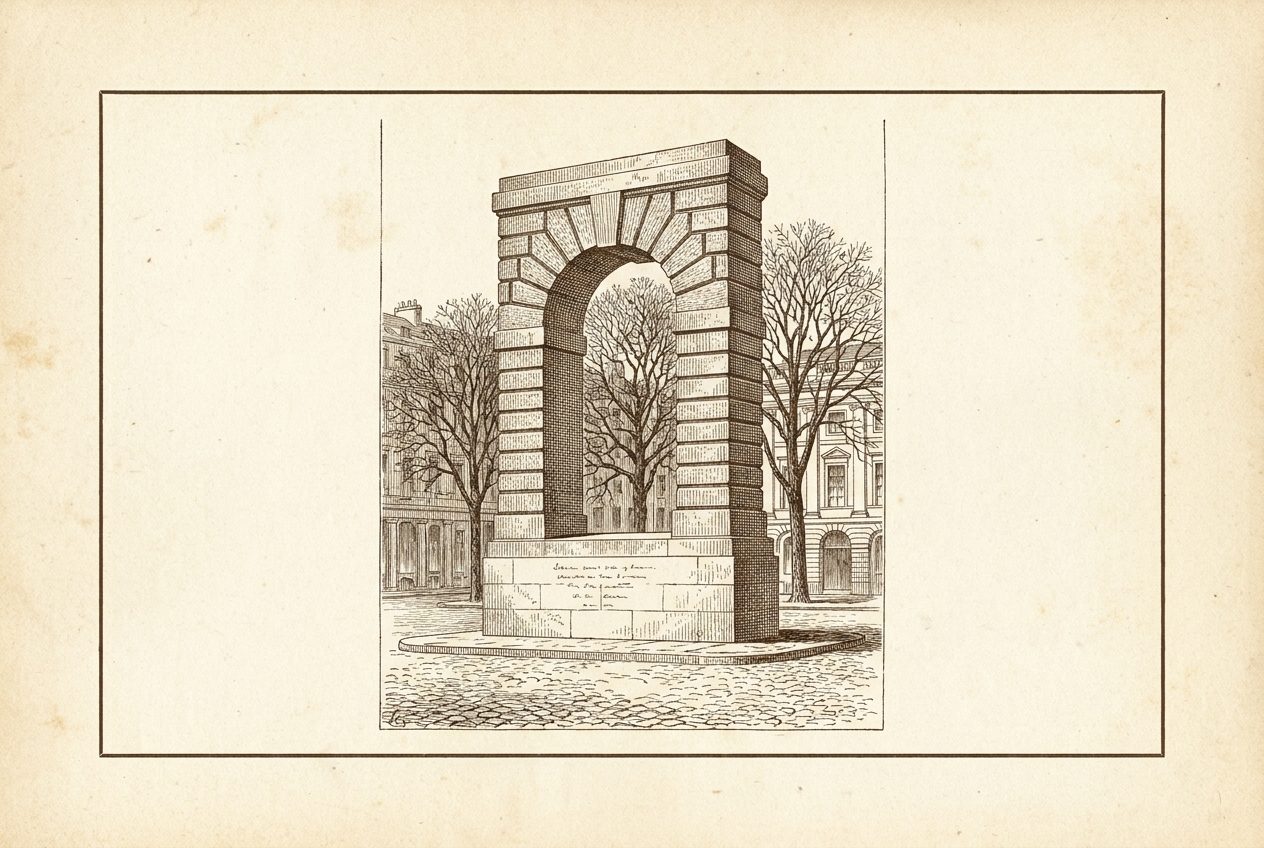
On April 21, 2018, the Arch of Healing and Reconciliation was dedicated near City Hall, by the lawn behind the Bellingham Public Library. It stands twelve feet tall, cut from roughly ten tons of red granite from India. It honors three communities and three dates: the Chinese driven out in 1885, the South Asians driven out in 1907, and the Japanese Americans removed in 1942.
At its base, granite tiles carry a single word — Welcome — in many languages. The first of them are Lummi and Nooksack, the languages of the people who were here long before any settler, Chinese laundry, or berry farm. After more than a century of telling people they did not belong, the city chose, in stone, to begin again with the opposite word.
Who we are now
It would be easy to read these events as the distant doings of other people. They were not. They were done by this town, by its newspaper and its officials and its ordinary citizens, against neighbors who had done nothing but live and work here. Naming that plainly is not an attack on Bellingham. It is part of loving the place enough to want it to be better.
A monument does not undo what happened, and the Arch does not pretend to. What it does is refuse the old habit of looking away. The community that drove people out is the same community that, generations later, paid for ten tons of granite to say so out loud and to welcome strangers in the languages of this land. Both are true, and the second is the one Bellingham is choosing to carry forward.
At a glance
Common questions
What were the Bellingham riots of 1907?
On September 4 and 5, 1907, a mob of several hundred men, many tied to the Asiatic Exclusion League, attacked South Asian lumber-mill workers, mostly Sikhs from Punjab. More than a hundred sheltered in the City Hall basement, and within days the whole community fled, many to British Columbia. The events are documented by Densho, the South Asian American Digital Archive, and HistoryLink.
What happened to Bellingham’s Chinese community in 1885?
In the autumn of 1885, after a years-long boycott led by the Whatcom Reveille newspaper and backed by local officials, the area’s small Chinese community was given a November 1 deadline to leave. The last residents departed in early November, and the removal was marked with a torchlight parade. It was part of a regional campaign that also expelled the Chinese from Tacoma and Seattle.
Where were Whatcom County’s Japanese American families taken in 1942?
After Executive Order 9066, the Japanese American residents of Whatcom, Skagit, and Snohomish counties, including Bellingham-area berry farmers, were removed in early June 1942 and sent directly to the Tule Lake incarceration camp on the California-Oregon border. They were among the last removed from the Washington coast.
What is the Arch of Healing and Reconciliation?
It is a twelve-foot monument of red granite, dedicated April 21, 2018, near Bellingham City Hall and the public library. First imagined by members of the Lynden Sikh temple, it honors the Chinese (1885), South Asians (1907), and Japanese Americans (1942) the community once drove out. Its base reads Welcome in many languages, beginning with Lummi and Nooksack.
Why does a Bellingham real estate site cover this history?
Because knowing a place honestly means knowing all of it. These events are part of Bellingham’s story, and so is the city’s later decision to confront them publicly. Understanding both helps you see the community as it really is today, not just as a brochure.
Sources: HistoryLink.org; Densho Encyclopedia; South Asian American Digital Archive (SAADA); Western Washington University (Bellingham Racial History Timeline; Englesberg, The 1907 Bellingham Riot); City of Bellingham and Bellingham.org; Bellingham Public Library; WWU News and NWPB coverage of the Arch of Healing (2018); contemporary newspaper accounts.
Back to the Bellingham timelineImage credits
- Illustration
- Illustration
- Illustration
- Photo by Clem Albers, 1942 · U.S. National Archives, Public domain. source